
Anúncios
Transform Your Home Into Your Personal Gym
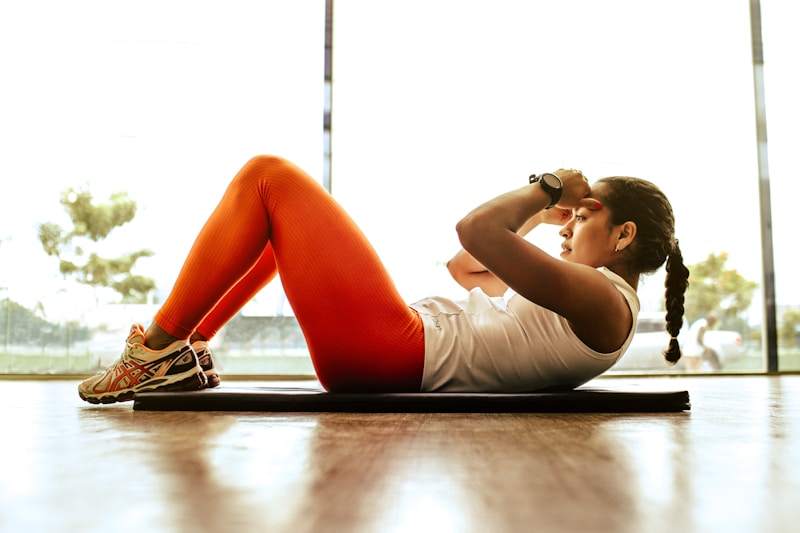
Start Training Now
Getting in shape doesn’t require an expensive gym membership or fancy equipment. The truth is, your living room, bedroom, or even a small corner of your apartment can become the perfect fitness studio. With the right approach and commitment, you can achieve remarkable results without spending a single dollar on equipment or subscriptions.
The beauty of home workouts lies in their flexibility and accessibility. Whether you’re a busy parent, a remote worker with limited time, or someone who simply prefers privacy while exercising, working out at home offers unmatched convenience. Let’s explore how you can build a sustainable fitness routine without breaking the bank. 💪
Anúncios
Why Home Workouts Are the Future of Fitness
The shift toward home-based exercise has accelerated dramatically in recent years, and for good reason. Beyond the obvious cost savings, exercising at home eliminates travel time, removes the intimidation factor many people feel in gyms, and allows you to work out on your own schedule. You can exercise in your pajamas at 6 AM or squeeze in a quick session during your lunch break—the choice is entirely yours.
Research consistently shows that consistency matters more than intensity when building long-term fitness habits. Home workouts remove the barriers that prevent people from exercising regularly. No more excuses about traffic, crowded equipment, or gym hours that don’t align with your schedule. Your home gym is open 24/7, completely free, and never crowded.
Anúncios
Essential Bodyweight Exercises That Deliver Results
Your body is the most sophisticated piece of exercise equipment you’ll ever own. Bodyweight training has been used for centuries to build strength, endurance, and flexibility. These fundamental movements form the foundation of any effective home workout program.
Upper Body Powerhouses 💪
Push-ups remain the gold standard for upper body development. This single exercise engages your chest, shoulders, triceps, and core simultaneously. Start with knee push-ups if you’re a beginner, then progress to standard push-ups, and eventually explore variations like diamond push-ups, wide-grip push-ups, or decline push-ups using a chair or couch.
Dips using a sturdy chair or coffee table target your triceps and chest from a different angle. Plank holds and their variations build incredible core strength while also engaging your shoulders and arms. Don’t underestimate the burn you’ll feel from a proper 60-second plank!
Lower Body Fundamentals 🦵
Squats are the king of lower body exercises, working your quads, hamstrings, glutes, and core. The beauty of squats is their scalability—you can perform basic bodyweight squats, progress to jump squats for explosive power, or try pistol squats for an advanced challenge that tests both strength and balance.
Lunges complement squats perfectly by addressing muscle imbalances and improving balance. Forward lunges, reverse lunges, walking lunges, and lateral lunges each offer unique benefits. Add jumping lunges to elevate your heart rate and build cardiovascular endurance alongside leg strength.
Glute bridges and single-leg glute bridges specifically target your posterior chain, helping counteract the effects of prolonged sitting while building a stronger, more resilient lower back and glutes.
Core Strengthening Movements
Beyond basic crunches, effective core training includes mountain climbers, bicycle crunches, leg raises, Russian twists, and various plank variations. These exercises build the functional strength that supports every other movement you make, both in exercise and daily life.
Creating Your Perfect Home Workout Space
You don’t need a dedicated home gym to work out effectively. A space roughly the size of a yoga mat (about 6 feet by 3 feet) provides enough room for virtually any bodyweight exercise. Clear away furniture temporarily, ensure adequate ventilation, and you’re ready to train.
Consider your flooring—if you’re in an apartment, a yoga mat or folded towel can cushion movements and reduce noise for downstairs neighbors. Good lighting and a mirror (if available) help you monitor your form, though they’re certainly not essential. Some people find that designating a specific area for workouts helps create a mental association that puts them in “training mode.”
Free Resources That Rival Premium Programs
The internet has democratized fitness knowledge, making world-class training accessible to everyone. YouTube hosts thousands of free workout channels led by certified trainers who offer everything from 10-minute beginner routines to hour-long advanced sessions. Channels like FitnessBlender, POPSUGAR Fitness, and countless others provide structured programs without any subscription fees.
Free fitness apps deliver guided workouts, progress tracking, and customized routines directly to your smartphone. Many offer features that rival expensive personal training, including video demonstrations, workout timers, and progressive training plans that adapt as you get stronger.
Social media platforms like Instagram and TikTok feature fitness creators who share quick workout ideas, form tips, and motivational content. While these shouldn’t replace structured programs, they’re excellent for discovering new exercises and staying inspired. 📱
Building a Balanced Weekly Routine
Structure transforms random exercise into a progressive fitness program. A balanced weekly routine addresses all major muscle groups, incorporates adequate recovery, and includes varied training stimuli to prevent plateaus and maintain motivation.
A simple three-day routine might look like this:
- Day 1: Upper body focus with push-ups, dips, plank variations, and pike push-ups
- Day 2: Lower body emphasis featuring squats, lunges, glute bridges, and calf raises
- Day 3: Full-body circuit combining exercises from both previous days with added cardio bursts
- Days 4-7: Active recovery with walking, stretching, yoga, or light movement, plus repeating the cycle
More experienced exercisers might train four to six days weekly, splitting workouts by movement patterns (push/pull/legs) or incorporating dedicated cardio and flexibility sessions alongside strength work.
Cardiovascular Training Without Equipment
Building cardiovascular fitness at home is entirely achievable without treadmills or bikes. High-intensity interval training (HIIT) delivers exceptional cardiovascular benefits in minimal time. A simple HIIT session might alternate 30 seconds of burpees with 30 seconds of rest, repeated for 10-15 rounds.
Jumping jacks, high knees, butt kicks, mountain climbers, and jump rope (even without an actual rope—the motion alone is effective) elevate your heart rate effectively. Dance workouts provide cardiovascular benefits while being genuinely fun—just put on your favorite upbeat music and move energetically for 20-30 minutes.
Stair climbing, if you have access to stairs, offers an intense cardio workout that also builds lower body strength. Even marching in place while watching television contributes to your daily activity levels and cardiovascular health. 🏃♀️
Progressive Overload Without Weights
Continuous improvement requires progressive overload—gradually increasing the demands placed on your body. Without weights, you achieve this through several methods:
- Increased repetitions: Perform more reps of each exercise as you grow stronger
- Additional sets: Add another round to your workout routine
- Tempo manipulation: Slow down the eccentric (lowering) phase of movements for increased time under tension
- Reduced rest periods: Decrease recovery time between sets to increase intensity
- Exercise progressions: Advance to more challenging variations like one-arm push-ups or pistol squats
- Increased range of motion: Elevate your feet during push-ups or lower deeper into squats
Tracking your workouts in a simple notebook or phone app helps you ensure consistent progress and provides motivating evidence of your improvements over time.
Flexibility and Mobility Work
Often overlooked, flexibility and mobility training prevents injuries, improves exercise performance, and enhances quality of life. Dedicate at least 10-15 minutes after each workout to stretching major muscle groups. Hold static stretches for 30-60 seconds, breathing deeply and relaxing into each position.
YouTube offers countless free yoga sessions ranging from 5 to 90 minutes. Yoga builds flexibility while also developing strength, balance, and mental focus. Styles like Vinyasa and Power Yoga provide more intense workouts, while Yin and Restorative yoga emphasize deep stretching and relaxation.
Foam rolling can be replicated using a tennis ball, rolled towel, or even a water bottle for self-massage that releases muscle tension and improves recovery. Focus on tight areas like your calves, hamstrings, glutes, and upper back.
Nutrition Fundamentals for Home Exercisers
Exercise represents only one piece of the fitness puzzle—nutrition plays an equally crucial role. You can’t out-exercise a poor diet, and the most effective workout program won’t deliver results without proper fueling.
Focus on whole foods: vegetables, fruits, lean proteins, whole grains, and healthy fats. Prepare meals at home to control ingredients and portions. Adequate protein intake (roughly 0.7-1 gram per pound of body weight) supports muscle recovery and growth. Stay hydrated—aim for at least 8 glasses of water daily, more if you’re exercising intensely or in warm conditions.
Remember that sustainable results come from moderate, consistent habits rather than extreme restrictions. Small improvements to your eating habits, maintained over months and years, transform your body composition more effectively than crash diets ever will. 🥗
Staying Motivated Without Gym Culture
Exercising alone at home requires self-motivation that gym environments sometimes provide automatically. Combat potential motivation challenges with these strategies:
Set specific, measurable goals like “complete 20 push-ups without stopping” or “hold a plank for 90 seconds.” Clear objectives provide direction and measurable victories. Share your fitness journey with friends or join online communities where people post workouts, celebrate achievements, and support each other through challenges.
Create a motivating playlist that energizes you—music significantly impacts workout intensity and enjoyment. Schedule workouts like important appointments; treat exercise as non-negotiable time for self-care rather than an optional activity you’ll do “if you have time.”
Variety prevents boredom. Rotate between different workout styles, try new exercises regularly, and follow different instructors to keep your routine fresh and engaging. Track your progress visually through photos, measurements, or fitness assessments every 4-6 weeks to see tangible evidence of your hard work. 📊
Overcoming Common Home Workout Challenges
Distractions abound when exercising at home. Family members, pets, phones, and household tasks compete for attention. Communicate your workout schedule to household members, put your phone on airplane mode, and consider your exercise time sacred, protected space.
Limited space requires creativity. Many exercises can be modified for small areas—step back into lunges rather than forward, perform mountain climbers instead of burpees if ceiling height is an issue, or take high-intensity intervals outside for more room.
Apartment dwellers concerned about noise can opt for low-impact variations: step-outs instead of jumping jacks, quiet mountain climbers instead of burpees, or strength-focused exercises rather than plyometric movements. A yoga mat or exercise mat dampens sound considerably.
Advanced Techniques for Continued Progress
As you advance beyond beginner status, incorporate more sophisticated training methods. Supersets (performing two exercises back-to-back without rest) increase workout intensity and efficiency. Circuit training that cycles through 5-8 exercises with minimal rest builds both strength and cardiovascular fitness simultaneously.
Isometric holds—maintaining a position under tension like the bottom of a squat or push-up—build strength in specific ranges of motion. Time under tension techniques, where you slow each repetition to 3-5 seconds, dramatically increase muscle stimulation without requiring additional resistance.
Explore calisthenics progressions that lead toward impressive skills like handstand push-ups, muscle-ups, or human flags. These advanced movements require patience and consistent practice but represent the pinnacle of bodyweight training achievement. 🤸♂️
Recovery and Rest: The Overlooked Essentials
Progress happens during recovery, not during workouts. Training breaks down muscle tissue; rest allows your body to rebuild stronger. Ensure adequate sleep—aim for 7-9 hours nightly. Sleep deprivation undermines exercise performance, slows recovery, and sabotages results.
Schedule complete rest days weekly. Active recovery—light walking, gentle stretching, or easy yoga—promotes blood flow and recovery without adding training stress. Listen to your body; persistent fatigue, declining performance, or unusual soreness signals the need for additional recovery time.
Stress management supports fitness goals since psychological stress impacts physical recovery. Meditation, breathing exercises, time in nature, and enjoyable hobbies all contribute to overall wellness and optimize your body’s adaptation to training.

Making It Sustainable for Life
The best workout program is the one you’ll actually maintain long-term. Sustainability trumps intensity every time. Start conservatively—three 20-minute sessions weekly beats an ambitious plan you’ll abandon after two weeks. Build gradually, adding volume and intensity as exercise becomes an established habit rather than a temporary project.
Celebrate non-scale victories: increased energy, better sleep, improved mood, clothes fitting better, or simply the satisfaction of consistency. These improvements often precede visible physical changes and provide powerful motivation to continue.
Remember that imperfect consistency beats perfect inconsistency. Missing occasional workouts doesn’t derail progress—abandoning your routine entirely does. Get back on track after interruptions without guilt or dramatic restart plans. Simply resume your normal schedule and keep moving forward.
Free home exercise democratizes fitness, removing financial and logistical barriers that prevent so many people from prioritizing their health. Your body, some open floor space, and commitment are all you truly need to transform your fitness, energy, and confidence. The investment required isn’t monetary—it’s your time, effort, and consistency. Those investments, unlike gym memberships or equipment, never depreciate in value and pay dividends throughout your entire life. 🌟
