
Anúncios
Your Journey to a Smoke-Free Life Starts Here

Start Your Free Week
Breaking free from nicotine addiction doesn’t have to drain your wallet or take months of preparation. The concept of quitting smoking in one week without spending a dime might sound too good to be true, but thousands of former smokers have successfully kicked the habit using accessible, cost-free strategies that work with your body’s natural healing processes.
This comprehensive guide reveals proven techniques that require nothing but commitment and the willingness to reclaim your health. Whether you’ve been smoking for five months or fifty years, the next seven days could mark the beginning of your liberation from tobacco dependency. 🌟
Anúncios
Understanding the Seven-Day Quit Timeline
Your body begins healing the moment you extinguish your last cigarette. Within 20 minutes, your heart rate drops to normal levels. After 12 hours, carbon monoxide levels in your blood return to baseline. The first week represents the most challenging period, but it’s also when you’ll experience the most dramatic physical improvements.
The seven-day framework isn’t arbitrary—it aligns with how nicotine withdrawal peaks and begins to subside. Physical cravings typically intensify during days two through four, then gradually decrease. By understanding this timeline, you can mentally prepare for each phase and recognize that discomfort is temporary and manageable.
Anúncios
Day-by-Day Physical Changes
Your body’s transformation follows a predictable pattern that motivates continued abstinence:
- Day 1: Anxiety peaks as nicotine leaves your bloodstream; sense of taste begins improving
- Day 2: Heightened irritability and difficulty concentrating; coughing may increase as lungs start clearing
- Day 3: Physical withdrawal symptoms peak; breathing becomes easier
- Day 4: Energy levels begin improving; sleep quality may still be disrupted
- Day 5: Cravings become less frequent; taste and smell significantly enhanced
- Day 6: Confidence grows; physical symptoms largely subsided
- Day 7: Breathing noticeably easier; sense of accomplishment reinforces commitment
Preparing Your Mind Without Spending Money
Mental preparation costs nothing but yields tremendous results. Start by identifying your specific smoking triggers—morning coffee, work breaks, social gatherings, stress, boredom. Write these down on any available paper or in your phone’s notes app. This awareness creates psychological distance between stimulus and automatic response.
Visualization exercises harness your brain’s powerful imagery capabilities. Spend five minutes daily imagining yourself as a non-smoker: breathing deeply during a morning walk, tasting food with newfound intensity, feeling proud when declining cigarettes. Your subconscious mind responds to these mental rehearsals by creating new neural pathways that support your smoke-free identity.
The Power of Written Commitment
Writing activates different brain regions than thinking alone. Create a personal quit contract outlining your reasons for stopping, expected challenges, and coping strategies. Include specific health benefits you’ll gain, money you’ll save, and people you’re quitting for. Sign and date it. This document becomes your reference point during moments of weakness.
Additionally, maintain a craving journal throughout your quit week. When urges strike, record the time, intensity (1-10 scale), trigger, and how you responded. This practice serves multiple purposes: it delays acting on the craving, reveals patterns you can address, and demonstrates how cravings diminish over time. 📝
Free Physical Strategies That Actually Work
Deep breathing exercises replicate the hand-to-mouth action and respiratory satisfaction smoking provided, without the toxins. Practice the 4-7-8 technique: inhale through your nose for four counts, hold for seven, exhale through your mouth for eight. This activates your parasympathetic nervous system, reducing stress and cravings naturally.
Water becomes your most valuable ally. Drinking cold water provides oral stimulation, flushes toxins from your system, and keeps your hands and mouth busy. Aim for at least eight glasses daily. The act of sipping mimics smoking’s ritualistic aspect while supporting your body’s detoxification processes.
Movement as Medicine
Physical activity releases endorphins that combat withdrawal symptoms and improve mood. You don’t need a gym membership—walking, jogging in place, dancing to music, doing push-ups, or climbing stairs all produce neurochemical changes that reduce nicotine cravings by up to 50% for at least 50 minutes post-exercise.
Create a movement response plan: when cravings hit, immediately engage in two minutes of vigorous activity. This could be jumping jacks, running up and down stairs, or rapid walking. The craving will likely pass before you finish. Exercise also addresses the weight gain concern many smokers fear, naturally regulating metabolism and appetite.
Harnessing Your Social Network
Your existing relationships provide free, powerful support. Inform friends, family, and coworkers about your quit date. Their awareness creates accountability and enables them to offer encouragement. Ask specific people to be your “quit buddies”—individuals you can text or call during intense cravings.
Online communities offer 24/7 support at zero cost. Reddit’s r/stopsmoking, WhatsApp quit groups, and Facebook cessation communities connect you with people experiencing identical challenges. Reading others’ success stories during moments of doubt reinforces that what you’re attempting is entirely achievable. 💪
Managing Social Smoking Situations
Social triggers represent major relapse risks. Plan specific responses before encountering them. If friends smoke, practice saying “I don’t smoke anymore” rather than “I’m trying to quit”—language shapes identity. Position yourself upwind of smokers, or politely excuse yourself when lighting begins.
At bars or parties where you previously smoked, hold a beverage in your dominant hand to disrupt the automatic reaching-for-cigarettes motion. Tell at least one person at the gathering about your quit attempt; verbalizing your commitment to relative strangers strengthens resolve through consistency principle psychology.
Nutritional Strategies Without Extra Costs
Certain foods make cigarettes taste worse. Dairy products, fruits, and vegetables create flavor profiles that clash with tobacco, reducing satisfaction if you slip. Conversely, coffee, alcohol, and meat enhance cigarette taste—consider temporarily reducing these during your critical first week.
Small, frequent meals stabilize blood sugar, which smoking artificially regulated. Low blood sugar intensifies cravings and irritability. Eat every three hours, focusing on whatever healthy options you already have: whole grains, nuts, fruits, vegetables. This isn’t about buying special foods—it’s about strategic timing with existing resources.
Oral Substitutes From Your Kitchen
Cinnamon sticks, raw carrots, celery, sugar-free gum, or even toothpicks provide oral fixation alternatives. Many former smokers credit crunchy vegetables with getting them through the hardest days—the chewing action releases tension while the fresh flavors contrast sharply with tobacco memories, reinforcing your new non-smoker identity.
Behavioral Replacement Techniques
Smoking created dozens of daily rituals. Leaving these behavioral voids unfilled invites relapse. Map each smoking situation to a specific replacement: if you smoked after meals, immediately brush your teeth instead. If smoke breaks structured your workday, take brief walks. The key is intentional substitution, not willpower alone.
The “delay and distract” method proves remarkably effective. When cravings strike, commit to waiting just five minutes while engaging in any absorbing activity—reading an article, calling a friend, organizing a drawer. Most cravings peak and subside within five minutes. Successfully riding out one strengthens your efficacy beliefs for handling the next.
Environmental Modifications
Your environment triggers automatic behaviors. Remove all smoking paraphernalia before your quit date—ashtrays, lighters, cigarette packs. Wash clothes and bedding to eliminate smoke smell. These actions cost nothing but create a physical environment that supports rather than sabotages your effort.
Rearrange furniture slightly in spaces where you frequently smoked. This small change disrupts automatic behavioral sequences, forcing conscious decision-making rather than habit-driven lighting up. Your brain must actively process the new arrangement, breaking the autopilot mode that triggered smoking.
Sleep and Recovery Optimization
Nicotine withdrawal disrupts sleep, and poor sleep intensifies cravings—a vicious cycle. Maintain consistent bed and wake times throughout your quit week. Avoid screens for an hour before sleep; their blue light suppresses melatonin. Instead, practice progressive muscle relaxation or read under dim lighting.
If insomnia strikes, don’t catastrophize. Remember that sleep disturbances are temporary withdrawal symptoms, typically resolving within two weeks. Use wakeful periods productively—meditation, reading quit success stories, or journaling about your progress. Fighting wakefulness increases stress; accepting it reduces anxiety. 😴
Tracking Progress and Celebrating Milestones
Visible progress tracking leverages psychological momentum. Create a simple calendar and mark each smoke-free day with a large X. This “don’t break the chain” approach makes each successive day feel valuable—you won’t want to reset your streak to zero. The visual representation of accumulating success becomes surprisingly motivating.
Calculate money saved daily using this simple formula: (cigarettes per day ÷ 20) × average pack price. Write this amount somewhere visible. Watching savings accumulate provides tangible evidence that quitting offers immediate rewards, not just distant health benefits.
Acknowledging Without Rewarding
While celebrating smoke-free days matters, avoid food-based rewards that might trigger unwanted weight gain. Instead, acknowledge achievements through free activities: extra sleep, a favorite movie, calling someone you’ve been meaning to reach, or extended time on a hobby. These rewards reinforce your new identity without creating new dependencies.
Handling Slips Without Relapsing
If you smoke a cigarette during your quit week, you haven’t failed—you’ve slipped. The critical moment isn’t the slip itself but your response. Many successful quitters experienced slips before achieving permanent cessation. Immediately analyze what triggered it, adjust your strategy, and continue your quit attempt without the shame spiral that leads to full relapse.
The abstinence violation effect—the “I’ve already blown it, might as well keep smoking” mentality—causes more relapses than the slips themselves. One cigarette doesn’t erase the healing your body has already accomplished or negate your previous smoke-free days. Treat it as data informing stronger strategies, not evidence of inevitable failure.
Understanding Withdrawal as Healing
Reframing discomfort transforms the quit experience. Headaches, irritability, difficulty concentrating—these aren’t punishments but evidence of healing. Each unpleasant symptom represents your body purging toxins and recalibrating to healthy functioning. This perspective shift changes suffering into productive discomfort with purpose.
Nicotine rewired your brain’s reward circuitry over months or years. Restoration requires time and temporary discomfort. When symptoms feel overwhelming, remind yourself: “This is my brain healing. This means it’s working.” This cognitive reframe activates different neural pathways than “I feel terrible and want relief,” reducing relapse risk.
Long-Term Success Beyond Week One
Completing seven smoke-free days deserves recognition—you’ve overcome the most intense physical withdrawal. However, psychological dependence persists longer than physical addiction. Week two and three present different challenges, primarily behavioral triggers and habit disruption rather than chemical cravings.
Continue tracking daily, maintain your replacement behaviors, and stay connected with support networks. The strategies that carried you through week one remain relevant for months. Most relapses occur during moments of overconfidence—thinking you can “just have one” at celebrations or during stress. Maintaining vigilance and using your established coping strategies prevents backsliding. ✨
Building Your Smoke-Free Identity
Language shapes reality. Shift from “I quit smoking” (temporary action) to “I’m a non-smoker” (permanent identity). This subtle distinction influences behavior profoundly. Non-smokers don’t struggle with cigarettes because smoking isn’t part of their identity. Embracing this identity earlier accelerates the psychological transition.
Spend time with non-smokers. Their behaviors, environments, and norms become your new baseline. Notice how they handle stress, celebrate, and socialize without cigarettes. These observations provide behavioral templates for your smoke-free life, demonstrating that rich, satisfying existence doesn’t require tobacco.
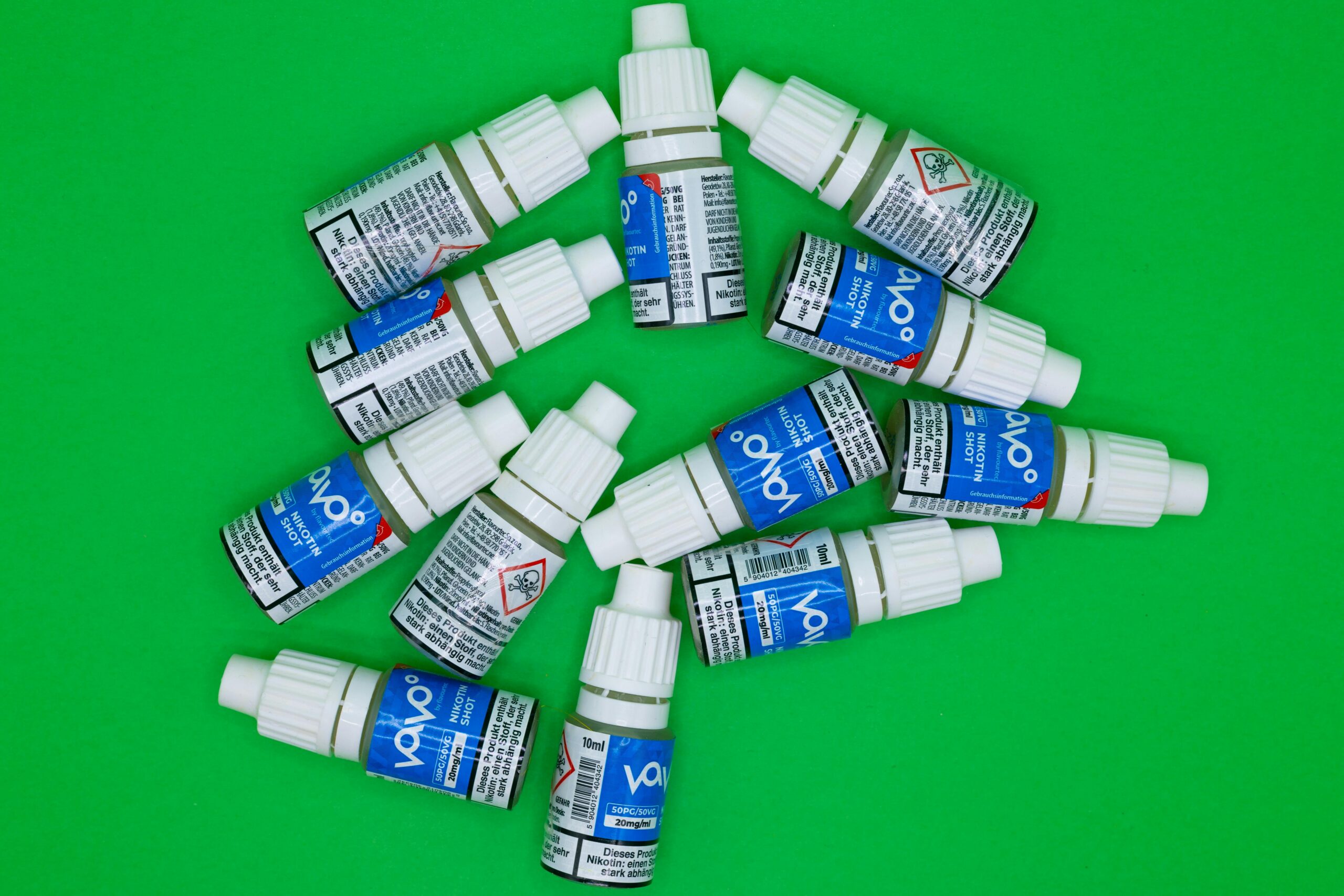
Your Free Week, Your Transformed Life
Quitting smoking in one week without financial investment requires leveraging the most powerful resources you already possess: determination, strategic thinking, social connections, and your body’s remarkable healing capacity. The methods outlined here—mental preparation, physical strategies, environmental modification, social support, and reframing discomfort—cost absolutely nothing yet rival pharmaceutical interventions in effectiveness.
The upcoming week will challenge you unlike most experiences. Moments of intense craving will test your resolve. But within those seven days lies the potential for complete transformation. Every craving you successfully navigate strengthens neural pathways supporting your non-smoker identity. Every smoke-free hour adds health benefits and moves you further from addiction’s grip.
You don’t need expensive programs, prescription medications, or professional therapy to succeed, though these can certainly help. You need commitment, strategy, and the knowledge that what you’re experiencing—however uncomfortable—is temporary, productive, and leading somewhere infinitely better than where you’ve been.
Your journey begins with a single decision, sustained through a critical week, and extending into a healthier, freer life. The investment is seven days of focused effort. The return is incalculable. 🎯
