
Anúncios
Restore Your Family’s Precious Memories

Start Restoring Now
There’s something deeply moving about holding a faded photograph of ancestors you never met. These precious images connect us to our roots, telling stories of lives lived long before we existed. Yet many of these irreplaceable photographs are deteriorating in old albums, shoe boxes, or forgotten drawers, slowly losing their detail and meaning with each passing year.
The good news is that we’re living in an extraordinary era where technology has made photo restoration accessible to everyone. Whether you’ve inherited a collection of sepia-toned portraits from the 1800s or color snapshots from the 1970s that have faded beyond recognition, there are now multiple pathways to bring these treasured memories back to vibrant life. Let’s explore the comprehensive journey of recovering and restoring your ancestral photographs. 📸
Anúncios
Why Rescuing Ancestral Photos Matters More Than Ever
Your family’s photographic legacy represents an irreplaceable historical record. Unlike documents or written records, photographs capture the essence of people—their expressions, their environments, and the texture of daily life in bygone eras. When we lose these images, we lose a tangible connection to our heritage.
Many families discover that older relatives possess photographs no one else has seen in decades. These images often survive in conditions that threaten their longevity: attics with temperature fluctuations, basements with moisture problems, or simply tucked away in albums with acidic pages that accelerate deterioration.
Anúncios
The window for preserving these photos is closing. Physical photographs from the pre-digital era are now 20 to 150 years old, and the oldest family members who can identify the people in them are aging. Starting a restoration project now means you can still gather contextual information about who these people were, where photos were taken, and what stories accompany each image. ⏰
Starting Your Search: Where to Find Hidden Family Treasures
Before you can restore photos, you need to find them. This detective work often reveals surprising discoveries and connects you with relatives you barely knew existed.
Contact Extended Family Members
Begin by reaching out to aunts, uncles, cousins, and even distant relatives. Create a family tree if you haven’t already, and systematically contact everyone. Older relatives often become the custodians of family photos, sometimes inheriting entire collections when their own parents passed away.
When you make contact, be specific about what you’re looking for. Mention that you’re interested in any old photographs, albums, slides, negatives, or even documents with photos. Many people don’t realize the value of what they have stored away.
Explore Estate Sales and Family Homes
When older relatives pass away or downsize, family homes often contain photographic goldmines. Volunteer to help sort through belongings, specifically requesting to review any photo collections before they’re discarded or donated.
Check these often-overlooked locations:
- Old suitcases and trunks in attics or basements
- Inside books, Bibles, and family journals
- Behind framed pictures on walls
- In dresser drawers and jewelry boxes
- Boxes labeled “miscellaneous” or “papers”
- Inside old wallets, purses, and handbags
Check Local Historical Societies and Archives
Your ancestors may appear in public records, yearbooks, newspaper archives, or local history collections. Historical societies often have photograph collections organized by family name, occupation, or location. Some have digitized their collections, making searches even easier. 🏛️
Understanding Photo Degradation: What You’re Up Against
Knowing why old photos deteriorate helps you prioritize which images need immediate attention and which restoration methods will work best.
Common Types of Photo Damage
Photographs degrade in predictable patterns based on their composition and storage conditions:
- Fading: Color photos lose vibrancy due to chemical instability and light exposure
- Yellowing: Paper-based photos develop yellow or brown discoloration from aging and environmental exposure
- Cracking and brittleness: Photos become fragile and develop surface cracks
- Water damage: Creates stains, warping, and can cause photos to stick together
- Mold and mildew: Appears as spots or fuzzy growth, particularly on photos stored in damp conditions
- Chemical deterioration: Affects the photographic emulsion, causing image loss
- Physical tears and creases: Result from handling and improper storage
Different photo types have unique vulnerabilities. Daguerreotypes and tintypes from the 1800s are remarkably durable but can tarnish. Early color photos from the 1940s-1970s are notoriously unstable and fade rapidly. Polaroids develop a distinctive chemical fog over time.
Digital Tools That Bring Old Photos Back to Life
Modern technology has democratized photo restoration. What once required expert conservators and expensive equipment can now be accomplished with smartphone apps and computer software.
AI-Powered Restoration Applications
Artificial intelligence has revolutionized photo restoration by automating complex repairs that previously took hours of manual work. These applications analyze damaged areas and intelligently reconstruct missing information based on surrounding context.
Leading restoration apps offer features like:
- Automatic scratch and tear removal
- Color correction and enhancement
- Sharpness improvement
- Colorization of black and white photos
- Face enhancement and clarity
- Noise reduction
Many of these apps work directly on your smartphone, allowing you to photograph an old picture and restore it within minutes. The quality has improved dramatically, with AI algorithms trained on millions of images to understand photographic composition and human features. 🤖
Desktop Software for Serious Restoration
For photographs requiring detailed attention, desktop applications provide more control and sophisticated tools. Professional-grade software allows you to work on high-resolution scans and make precise adjustments.
Popular options include dedicated restoration software as well as general photo editors with restoration capabilities. These programs let you manually clone areas, reconstruct missing sections, adjust tonality across different regions, and work non-destructively with layers.
The Scanning Process: Creating Digital Foundations
Quality restoration begins with quality digitization. How you scan or photograph original images determines the maximum quality your restoration can achieve.
Scanner vs. Smartphone: Making the Right Choice
Both scanners and smartphone cameras can digitize old photos, but each has advantages:
Flatbed scanners provide consistent lighting, higher resolution options, and better color accuracy. They’re ideal for photos you can safely place face-down on glass. Modern scanners can capture details at 600-1200 DPI, creating files with enough information for significant enlargement.
Smartphone photography works better for fragile photos, photos in frames or albums you can’t remove, and large format images. Modern phone cameras capture impressive detail, especially in good lighting. Specialized scanning apps improve results by correcting perspective and enhancing clarity.
Scanning Best Practices
Follow these guidelines for optimal digitization:
- Clean your scanner glass or camera lens before starting
- Handle original photos by the edges only
- Scan at minimum 300 DPI for standard prints, 600 DPI or higher for small photos
- Save in uncompressed formats (TIFF or PNG) for archival purposes
- Create backup copies immediately on multiple devices
- Photograph large or delicate items instead of scanning them
- Use natural indirect light or balanced artificial lighting when photographing
Never attempt to clean or repair original photographs before scanning unless you have professional training. Even well-intentioned efforts can cause irreversible damage. Always digitize first, then restore the digital copy. 📱
Manual Restoration Techniques Worth Learning
While AI tools handle many restoration tasks automatically, understanding basic manual techniques gives you greater control over results and helps with challenging images that automated processes can’t fully fix.
Cloning and Healing Tools
These fundamental tools allow you to sample undamaged areas and copy them over damaged sections. The healing brush blends the copied area with surrounding tones and textures, making repairs nearly invisible. This technique works brilliantly for removing scratches, spots, and small missing sections.
Reconstructing Missing Areas
When significant portions of a photo are damaged or missing, reconstruction requires creative problem-solving. Look for symmetry in faces and objects—you can often mirror undamaged sides to rebuild missing sections. Reference similar photos from the same era to understand clothing, hairstyles, and backgrounds typical of that period.
Adjusting Tone and Contrast
Faded photos lose their tonal range, appearing flat and low-contrast. Learning to read histograms and use curves adjustments lets you restore depth and dimension. The goal isn’t to make old photos look modern, but to recover the contrast and clarity they had when first developed.
Colorizing Black and White Family Portraits
Adding color to black and white ancestral photos has become one of the most popular restoration projects. This process makes historical figures feel more present and relatable, bridging the psychological distance created by monochrome imagery.
The Art and Science of Historical Colorization
Effective colorization requires research and restraint. AI colorization tools provide automatic results, but they often guess incorrectly about colors. For accurate colorization, research the time period, location, and context of your photos.
Consider these historical factors:
- Fashion color palettes changed by decade
- Certain dye colors were more available in different eras
- Military uniforms follow specific regulations
- Regional differences affected clothing and decoration choices
- Social conventions dictated appropriate colors for different occasions
When possible, consult with older family members who may remember actual colors of clothing, home decor, or cars appearing in photos. This contextual knowledge transforms colorization from guesswork into historical recreation. 🎨
Professional Restoration Services: When to Call in Experts
Some photographs require professional conservation or restoration beyond what software can accomplish. Knowing when to seek expert help protects irreplaceable originals from well-intentioned but damaging amateur efforts.
Situations Requiring Professional Intervention
Consider professional restoration services for:
- Photos with severe water damage or stuck together
- Valuable historical images with significant deterioration
- Fragile daguerreotypes, ambrotypes, or tintypes
- Photos with extensive physical damage beyond digital repair capability
- Images requiring chemical stabilization to prevent further degradation
- Large format photos or those in unusual formats
Professional conservators have specialized equipment and knowledge for stabilizing deteriorating photographs. They can separate stuck photos, neutralize chemical damage, and perform physical repairs that digital restoration cannot address.
Organizing and Preserving Your Restored Collection
Restoration is only the beginning. Creating an organized, accessible collection ensures your work benefits current and future generations.
Digital Asset Management
Establish a consistent file naming system that includes dates, locations, and names when known. Create folder hierarchies organized by family branch, decade, or location—whatever makes sense for your collection.
Add metadata to your digital files including:
- Names of people in the photo
- Approximate or exact date
- Location where taken
- Photographer if known
- Occasion or context
- Relationships between people
This information becomes increasingly valuable over time as family members who possess this knowledge pass away. 💾
Backup Strategies That Actually Work
Digital files can disappear instantly through hardware failure, accidental deletion, or file corruption. Implement the 3-2-1 backup rule: maintain three copies of your files, on two different storage media, with one copy stored off-site.
Practical backup approaches include external hard drives stored at different locations, cloud storage services with generous capacity, and regularly updated DVDs or other physical media for long-term archival.
Sharing Your Family’s Visual History
Restored photos gain meaning when shared. Create digital photo albums or books through online services, share collections with relatives via cloud folders, or establish a family website or social media group dedicated to historical photos.
Consider creating printed photo books for older relatives who may not be comfortable with digital formats. The tangible quality of a well-designed book makes the collection accessible and preserves your restoration work in physical form.
Advanced Techniques for Challenging Restorations
Some photographs present unique challenges that require specialized approaches beyond standard restoration workflows.
Dealing with Multiple Types of Damage
Photos with both physical damage and color fading require a strategic restoration sequence. Generally, address structural issues first—tears, missing sections, and major stains—before moving to color correction and enhancement. This prevents you from spending time perfecting areas you may later need to reconstruct entirely.
Restoring Group Photos and Complex Scenes
Large group photographs with multiple faces require careful attention to maintain consistency across all subjects. When enhancing faces, ensure lighting direction and intensity remains consistent. When colorizing, verify that skin tones appear natural across all individuals.
Recovering Detail from Severely Faded Images
Extremely faded photographs may appear to have lost all detail, but often contain recoverable information. Adjusting individual color channels separately can reveal hidden detail. Infrared photography techniques, available through specialized scanning services, can sometimes recover images from photographs that appear completely blank to the eye. 🔍
Creating Context: Researching Your Restored Photos
Restored photos gain historical and emotional significance when you understand their context. Combining photographic restoration with genealogical research creates a richer family narrative.
Dating Photographs Through Visual Clues
Even without written dates, photographs reveal their approximate age through fashion, hairstyles, photographic processes, and background details. Clothing styles changed distinctively by decade, providing dating accuracy within 5-10 years for many photos.
Photo formats also indicate periods: cabinet cards dominated 1870s-1900s, postcard-backed photos were popular 1900s-1930s, and specific color processes identify photos from particular decades.
Connecting Photos to Family Trees
Use restored photos to enrich your genealogical research. Facial recognition tools can help identify family resemblances across generations. Location details visible in backgrounds can confirm residence information or lead to new discoveries about where ancestors lived.
Ethical Considerations in Photo Restoration
As you restore family photos, thoughtful decisions about how much to alter originals preserve historical integrity while improving accessibility.
Preservation vs. Enhancement
There’s meaningful distinction between restoring a photo to its original appearance and enhancing it beyond what it ever was. Legitimate restoration removes damage that occurred after the photo was created—scratches, fading, tears—returning the image to its original state.
Enhancement goes further, perhaps improving exposure, sharpening slightly out-of-focus areas, or adding color. These changes aren’t inherently wrong, but should be documented so viewers understand what they’re seeing.
Maintaining Original Files
Always preserve your original scans unmodified. Create copies for restoration work, clearly labeled to distinguish originals from restored versions. This allows future restoration using improved techniques while maintaining historical accuracy.
Transforming Restored Photos into Family Heirlooms
Your restored collection deserves presentation that matches the effort invested in creating it. Modern printing and display options can transform digital restorations into tangible heirlooms.
Professional Printing Options
Quality printing services offer archival papers and inks designed for longevity. Options include traditional photographic prints, museum-quality giclée prints, and metal or canvas transfers. Each medium creates different aesthetic effects suitable for different images.
For particularly important ancestral portraits, consider professional framing with UV-protective glass and acid-free matting that prevents deterioration over decades of display.
Creating Family History Projects
Use restored photos as centerpieces for larger family history projects: documentary-style video presentations combining photos with narration, interactive digital timelines, or comprehensive family history books that integrate photos with genealogical research and family stories. 📖
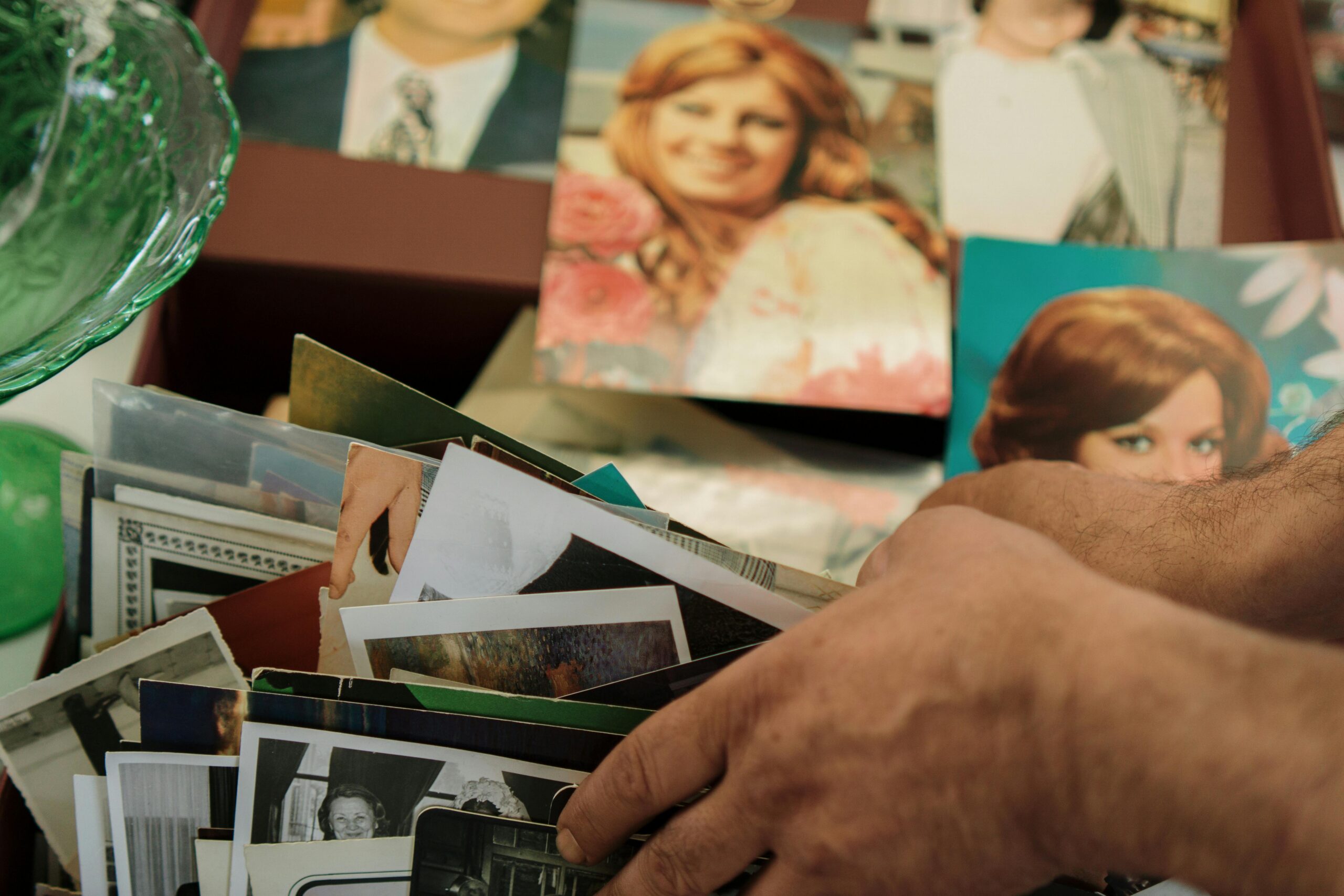
The Emotional Journey of Photo Restoration
Beyond technical processes, restoring ancestral photos is deeply personal work that connects us across generations. Many people report profound emotional experiences when successfully restoring a beloved ancestor’s portrait or bringing clarity to a long-faded family scene.
This work honors those who came before us, ensuring their images and stories survive for descendants they’ll never meet. In an age of digital abundance where we capture thousands of casual photos, the deliberate act of restoring a single precious ancestral image reminds us of photography’s power to transcend time.
As you work through your collection, you’re not merely repairing damaged paper and chemicals—you’re reconstructing family memory, rebuilding connections between past and present, and creating bridges to the future. Each restored face represents a life lived, challenges overcome, and a legacy that led ultimately to your existence.
The ancestors in those faded photographs gave you the gift of life. Restoring their images, preserving their memory, and sharing their stories with current and future generations is a meaningful way to honor that gift and ensure their legacy endures. ✨
