
Anúncios
Recover Deleted Messages Effortlessly
Download Free Now
We’ve all been there—that sinking feeling when you accidentally delete an important message or someone removes a text before you can read it. Whether it’s a crucial work conversation, a memorable photo from a friend, or information you needed to save, losing messages can be frustrating and sometimes even problematic. The good news? Technology has evolved to help us recover what seemed lost forever. 📱
In this comprehensive guide, we’ll explore how you can retrieve deleted messages using a powerful free application that works seamlessly with your messaging apps. You’ll discover not only how this tool functions but also best practices for message recovery, privacy considerations, and tips to prevent future data loss. Let’s dive into the world of message restoration and take control of your digital conversations.
Anúncios
Why Messages Get Deleted and Why Recovery Matters 🔍
Understanding why messages disappear is the first step toward protecting your important conversations. Messages can be deleted for various reasons—accidental swipes, automatic cleaning by messaging apps, sender’s remorse when someone deletes a message before you read it, or even technical glitches that cause data loss.
The impact of losing messages varies depending on the content. For professionals, a deleted message might contain project details, client information, or deadline confirmations. For personal relationships, these messages might hold sentimental value—birthday wishes, travel plans, or heartfelt conversations you wanted to preserve. In some cases, deleted messages might even contain evidence needed for legal or personal disputes.
Anúncios
This is where message recovery applications become invaluable. They work silently in the background, creating backups of your notifications and messages before they can be permanently erased. Think of them as a safety net for your digital communications—always there when you need them most.
How Message Recovery Applications Actually Work 🛠️
Message recovery apps utilize a clever approach to preserve your conversations. When you receive a message notification, these applications capture and store the content before it reaches your messaging app. This means even if the original message is deleted from the source app, the recovery tool has already saved a copy.
The process happens automatically and doesn’t require constant user intervention. Once installed and properly configured, the app monitors incoming notifications from your selected messaging platforms. It creates local backups on your device, ensuring your privacy is maintained—the data never leaves your phone unless you explicitly choose to share it.
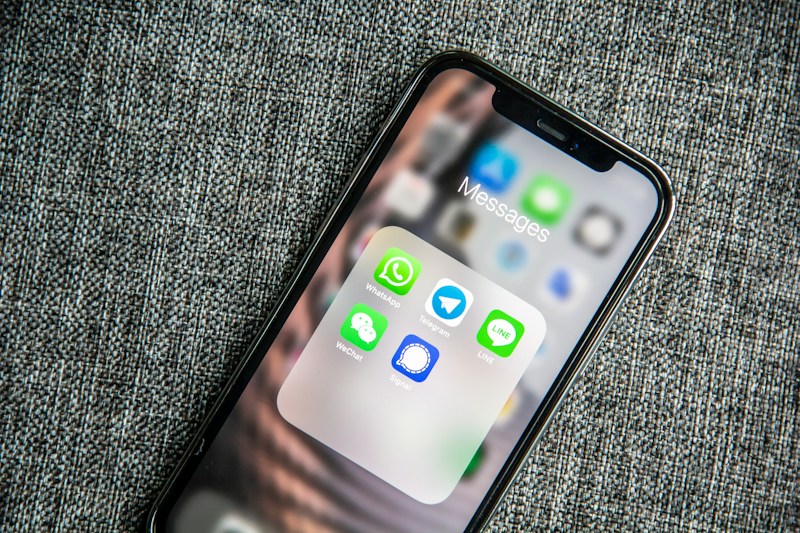
These applications work with multiple messaging platforms simultaneously, including WhatsApp, Telegram, Facebook Messenger, Instagram Direct, and SMS. The notification access permission allows the app to read incoming messages as they arrive, creating an archive you can browse whenever needed.
Key Features That Make Recovery Possible
Modern message recovery tools offer several sophisticated features that enhance their functionality. Real-time monitoring ensures no message goes unrecorded, while organized storage systems categorize messages by app, contact, and date. Many applications also preserve media files like photos, videos, and voice messages that accompany text conversations.
Search functionality allows you to quickly locate specific conversations or keywords within your archived messages. Some advanced applications even provide statistics about your messaging patterns, showing which contacts you communicate with most frequently and what types of content you exchange.
Step-by-Step Guide to Recovering Your Deleted Messages 📲
Getting started with message recovery is straightforward, even for those who aren’t particularly tech-savvy. The process begins with downloading and installing the recovery application from a trusted source like the Google Play Store. Always ensure you’re getting the legitimate app to protect your data security.
After installation, you’ll need to grant specific permissions that allow the app to function properly. Notification access is the primary permission required—this lets the app read notifications as they arrive. The app will guide you through the permission setup process with clear instructions.
Initial Configuration Steps
Once permissions are granted, configure which messaging apps you want to monitor. You can select all your communication platforms or choose specific ones based on your needs. The app will then begin monitoring new messages immediately—note that it cannot recover messages deleted before the app was installed.
Set up any additional preferences like storage limits, automatic cleanup schedules, or specific contacts you want to prioritize. Many apps allow you to exclude certain conversations from monitoring if privacy is a concern for particular contacts.
Accessing Your Recovered Messages
When you need to retrieve a deleted message, open the recovery app and navigate to the appropriate section. Messages are typically organized by the source application, making it easy to find what you’re looking for. Use the search feature if you’re looking for specific content or conversations from a particular time period.
The interface usually displays messages in a format similar to the original app, complete with timestamps, sender information, and any media attachments. You can view, screenshot, or export messages as needed for your records.
Privacy and Security Considerations You Should Know 🔒
While message recovery apps are incredibly useful, they do raise important privacy questions that users should understand. These applications have access to potentially sensitive information, so choosing a reputable app with strong security practices is essential.
Legitimate recovery apps store all data locally on your device rather than uploading it to external servers. This means your messages remain under your control and aren’t accessible to the app developers or third parties. Always review an app’s privacy policy before installation to understand exactly how your data is handled.
Consider the implications if someone else gains access to your phone. Since recovery apps store historical messages, anyone with physical access to your device could potentially read conversations that were deleted. Use your phone’s built-in security features like PIN codes, fingerprint locks, or face recognition to add an extra layer of protection.
Ethical Usage Guidelines
It’s important to use message recovery tools responsibly and ethically. These apps are designed to help you preserve your own conversations, not to spy on others or violate someone’s privacy. Using recovery apps to monitor someone else’s messages without their knowledge or consent is not only unethical but may also be illegal in many jurisdictions.
Be transparent with people you communicate with about your use of recovery tools if the situation warrants it. In professional settings, ensure your message recovery practices comply with company policies and data protection regulations.
Comparing Free vs. Premium Recovery Solutions 💎
Many message recovery applications offer both free and premium versions, each with distinct capabilities. The free versions typically provide core functionality—monitoring messages, storing them locally, and allowing basic searches. This is sufficient for most users who simply want a safety net for accidentally deleted messages.
Premium versions often include enhanced features like unlimited storage capacity, advanced search filters, cloud backup options, and support for additional messaging platforms. Some premium apps also offer better media recovery, automatic organization features, and priority customer support.
What Free Versions Typically Offer
- Basic message recovery from popular messaging apps
- Limited storage capacity (usually sufficient for several weeks of messages)
- Simple search and browsing features
- Local storage without cloud synchronization
- Standard notification monitoring
- Basic media file recovery
Premium Features Worth Considering
- Unlimited storage or significantly higher limits
- Cloud backup for accessing messages across devices
- Advanced filtering and categorization options
- Priority recovery for specific contacts
- Enhanced media quality preservation
- Ad-free experience
- Regular updates and dedicated support
For most casual users, free versions provide everything needed for effective message recovery. Consider upgrading to premium only if you have specific requirements like extensive storage needs or want cloud accessibility.
Troubleshooting Common Recovery Issues 🔧
Even with properly configured recovery apps, users sometimes encounter challenges. Understanding common issues and their solutions can save frustration and ensure your message safety net works when needed.
One frequent problem is incomplete message capture, where only parts of conversations are saved. This usually occurs when notification settings are configured incorrectly or when messaging apps use end-to-end encryption that limits notification content. Ensure your messaging apps display full message previews in notifications rather than just “New message” alerts.
Permission-Related Problems
If your recovery app suddenly stops working, permissions may have been accidentally revoked. Android systems occasionally reset app permissions during updates or due to battery optimization features. Regularly check that notification access remains enabled for your recovery app.
Battery optimization settings can also interfere with recovery apps by restricting background activity. Add your recovery app to the battery optimization exception list to ensure it continues monitoring even when your phone is in power-saving mode.
Storage and Performance Issues
As recovered messages accumulate, they consume device storage. If your phone’s storage fills up, the recovery app may stop functioning or automatically delete older messages. Monitor your available storage and configure the app to automatically clean up messages older than your preferred retention period—perhaps 30 or 60 days.
Some users report that recovery apps slow down their devices. This is usually related to excessive data accumulation or conflicts with other apps. Regular maintenance like clearing old messages and ensuring you’re using the latest app version can resolve most performance concerns.
Alternative Methods for Message Preservation 💾
While dedicated recovery apps are the most effective solution, several complementary strategies can help protect your important messages. Creating a multi-layered approach to message preservation ensures you’re covered even if one method fails.
Cloud backup features built into messaging apps themselves provide one alternative. WhatsApp, for example, offers Google Drive integration that automatically backs up your conversations. However, these backups don’t capture messages deleted before you read them, which is where recovery apps excel.
Manual Screenshot and Export Options
For particularly important conversations, taking screenshots provides a simple backup method. While not suitable for entire conversation histories, screenshots work well for preserving specific information like addresses, dates, or important instructions.
Many messaging apps now include built-in export features that let you save entire conversations as text files or PDFs. This is useful for archiving complete conversation threads for legal, professional, or sentimental reasons.
Third-Party Backup Services
Specialized backup services offer comprehensive data protection beyond just messages, including contacts, photos, and app data. While these services typically require subscriptions, they provide enterprise-grade security and accessibility across multiple devices.
Maximizing the Effectiveness of Your Recovery App 🎯
To get the most value from your message recovery application, implement these best practices that enhance functionality and reliability.
Install the recovery app as soon as possible—remember that it can only save messages received after installation. The sooner you set it up, the more comprehensive your message archive becomes. Configure it immediately after getting a new phone or messaging app.
Regularly review your recovered messages and export anything particularly important to permanent storage. While recovery apps provide excellent short-term protection, they’re not designed as permanent archival solutions. For messages you want to keep indefinitely, create additional backups.
Optimizing Settings for Your Usage Patterns
Customize notification monitoring based on which apps you use most frequently. If you primarily communicate through WhatsApp and Telegram, focus monitoring on those platforms rather than enabling every possible messaging app, which can consume unnecessary resources.
Adjust storage retention periods to match your needs. If you typically realize messages are important within a few days of deletion, a 30-day retention period is sufficient. For more cautious users, extend this to 60 or 90 days if storage permits.
Future of Message Recovery Technology 🚀
The landscape of message recovery continues evolving with advancing technology. Artificial intelligence and machine learning are beginning to play roles in smart message organization, automatically categorizing important conversations and flagging messages that might need preservation.
Enhanced integration with messaging platforms may eventually provide native recovery features, reducing the need for third-party apps. However, privacy concerns and the desire to prevent misuse mean such features develop slowly and cautiously.
Cross-platform compatibility is improving, with recovery apps becoming better at handling diverse messaging environments. As communication fragments across multiple platforms—traditional SMS, various messaging apps, and social media direct messages—unified recovery solutions become increasingly valuable.

Taking Control of Your Digital Conversations ✨
Message recovery applications represent an essential tool in our digital lives, providing peace of mind that important conversations aren’t permanently lost due to accidental deletions or sender actions. By understanding how these tools work, configuring them properly, and using them responsibly, you can maintain control over your communication history.
The free application we’ve discussed offers robust functionality without financial barriers, making message recovery accessible to everyone. Whether you’re protecting professional communications, preserving personal memories, or simply want the security of knowing deleted messages can be retrieved, these tools deliver real value.
Remember that message recovery is just one component of comprehensive digital data management. Combine it with regular backups, thoughtful privacy practices, and secure device management for complete protection. Your conversations matter—make sure they’re preserved when you need them. Start using a message recovery app today and never worry about losing important messages again. 🌟
