Anúncios
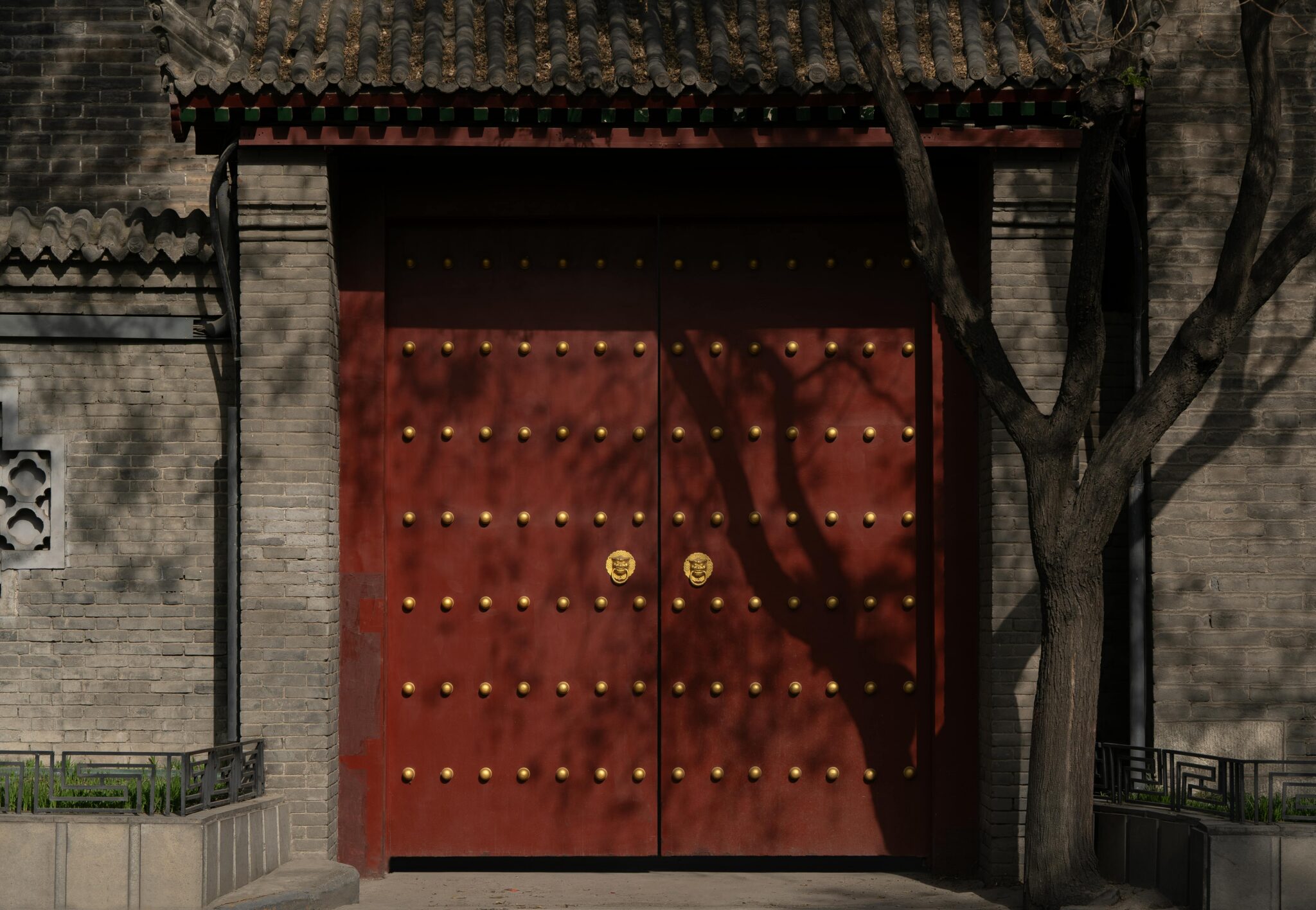
The door to wisdom opens not with keys, but with curiosity, humility, and the willingness to embrace lifelong learning in every moment.
Unlocking the Gateway to Deeper Understanding

Explore Further
Throughout history, humans have sought the elusive door to wisdom—a metaphorical threshold separating ignorance from understanding, confusion from clarity. This journey isn’t about arriving at a final destination, but rather discovering that wisdom itself is a continuous process of growth, reflection, and transformation.
Anúncios
The concept of a “door of wisdom” appears across cultures, religions, and philosophical traditions. From ancient Greek philosophy to Eastern spiritual practices, this symbolic gateway represents our capacity to transcend ordinary perception and access deeper truths about ourselves and the world around us.
## 🚪 What Does the Door to Wisdom Really Mean?The door to wisdom isn’t a physical portal but rather a state of consciousness and readiness. It represents the moment when we become open to learning beyond our current limitations, biases, and comfortable assumptions.
Anúncios
This doorway manifests differently for each person. For some, it opens during moments of crisis when old perspectives fail. For others, it gradually reveals itself through consistent study, meditation, or life experience. The common thread is a shift from knowing to questioning, from certainty to curiosity.
Ancient philosophers like Socrates understood this paradox well. His famous declaration “I know that I know nothing” wasn’t an admission of ignorance but recognition that true wisdom begins with acknowledging the vastness of what we don’t yet understand.
## 📚 Historical Perspectives on Wisdom’s GatewayDifferent civilizations have conceptualized the path to wisdom through unique frameworks and teachings that continue to resonate today.
### Ancient Greek Philosophy and the Examined LifeGreek thinkers positioned wisdom as the highest virtue. Plato’s allegory of the cave illustrates the journey from shadows of ignorance toward the light of truth. The prisoners who escape the cave pass through a doorway—literally and metaphorically—into enlightenment.
Aristotle emphasized practical wisdom (phronesis), which combines theoretical knowledge with ethical action. His approach suggests the door to wisdom requires both intellectual understanding and moral character.
### Eastern Wisdom Traditions 🧘In Buddhism, the door to wisdom opens through the Noble Eightfold Path. Right understanding and right intention form the foundation, suggesting wisdom requires both cognitive clarity and proper motivation.
Taoist philosophy presents wisdom as alignment with the natural flow of existence (the Tao). Here, the door opens not through accumulation of knowledge but through unlearning, simplifying, and returning to essential truths.
Hindu traditions speak of jnana (knowledge) and vijnana (wisdom), distinguishing between mere information and transformative understanding. The door between these states requires spiritual practice and self-realization.
## 🔑 Seven Keys That Open Wisdom’s DoorWhile the journey to wisdom is deeply personal, certain practices consistently help individuals cross this threshold:
- Cultivate intellectual humility: Recognize the limits of your current understanding and remain open to being wrong
- Practice active listening: Truly hear perspectives different from your own without immediately judging or defending
- Embrace discomfort: Growth happens outside comfort zones; wisdom often emerges from challenging experiences
- Develop metacognition: Think about your thinking; observe your mental processes and biases
- Study diverse sources: Exposure to different cultures, disciplines, and viewpoints expands understanding
- Apply knowledge ethically: Wisdom isn’t just knowing but doing; integrate insights into compassionate action
- Maintain consistent reflection: Regular contemplation helps distill experiences into lasting insights
Many people confuse accumulating information with gaining wisdom. The door to wisdom requires understanding this crucial distinction.
Knowledge consists of facts, data, and information we can acquire through study, observation, or experience. It answers “what” and “how” questions. Wisdom, conversely, addresses “why” and “when”—it involves judgment, context, and discernment about applying knowledge appropriately.
You might know thousands of facts about nutrition (knowledge) but lack the wisdom to maintain healthy eating habits in your own life. You could understand conflict resolution theory (knowledge) without possessing the wisdom to navigate difficult conversations with grace.
The transformation from knowledge to wisdom happens through:
- Practical application and learning from consequences
- Integration of emotional intelligence with intellectual understanding
- Recognition of nuance, paradox, and complexity
- Development of sound judgment through repeated decision-making
Contemporary researchers have studied wisdom scientifically, identifying measurable components and developmental patterns.
Psychologist Robert Sternberg’s Balance Theory suggests wisdom involves balancing multiple interests (intrapersonal, interpersonal, and extrapersonal) to achieve common good through tacit knowledge and values.
The Berlin Wisdom Paradigm identifies five criteria: rich factual knowledge, rich procedural knowledge, lifespan contextualism, value relativism, and recognition of uncertainty. Studies show wisdom correlates with life satisfaction but develops independently from intelligence or education level.
### Neuroplasticity and the Wisdom Brain 🧠Neuroscience reveals that wisdom involves integration across brain regions. The prefrontal cortex (executive function), limbic system (emotion), and default mode network (self-reflection) all contribute to wise thinking and decision-making.
Remarkably, certain cognitive abilities decline with age, yet wisdom often increases. This suggests wisdom emerges not from processing speed but from pattern recognition, emotional regulation, and perspective-taking—capacities that improve through experience.
## 🌍 Cultural Variations in Understanding WisdomWhile wisdom appears universally valued, different cultures emphasize distinct aspects of this doorway.
| Cultural Context | Primary Emphasis | Key Practices |
|---|---|---|
| Western traditions | Individual reasoning and critical thinking | Socratic dialogue, philosophical inquiry |
| Eastern traditions | Harmony, balance, and compassion | Meditation, mindfulness, spiritual study |
| Indigenous wisdom | Interconnection with nature and community | Storytelling, ceremony, elder guidance |
| African philosophies | Ubuntu—collective humanity | Community dialogue, ancestral knowledge |
Understanding these variations enriches our approach to wisdom, suggesting the door opens wider when we integrate multiple perspectives rather than adhering rigidly to one tradition.
## 🚧 Common Obstacles That Block the DoorwaySeveral barriers prevent people from accessing deeper wisdom, even when they earnestly seek it.
### Cognitive Biases and Mental ShortcutsOur brains evolved for efficiency, not accuracy. Confirmation bias makes us seek information supporting existing beliefs. The Dunning-Kruger effect causes those with limited knowledge to overestimate their understanding. These mental shortcuts keep the door to wisdom firmly closed.
Overcoming these requires deliberate effort: actively seeking disconfirming evidence, consulting experts in unfamiliar domains, and maintaining epistemic humility about our cognitive limitations.
### Emotional Barriers to GrowthFear of being wrong, attachment to identity, and ego protection all obstruct wisdom’s entrance. When our sense of self depends on being right, we resist information that challenges our worldview.
The door opens when we can separate our worth from our opinions, viewing changed minds as growth rather than defeat.
### Information Overload in the Digital Age 📱Modern life bombards us with data, creating an illusion of knowledge while actually hindering wisdom. Constant connectivity prevents the reflection necessary for transforming information into insight.
Deliberate practices—digital detoxes, contemplative time, focused deep reading—create space for wisdom to emerge from the noise.
## 🎯 Practical Steps for Crossing the ThresholdOpening the door to wisdom requires intentional practice, not passive hoping. Here are actionable approaches:
### Develop a Wisdom PracticeJust as physical fitness requires regular exercise, wisdom develops through consistent practice. Consider establishing daily or weekly routines that promote wise thinking:
- Morning reflection or journaling about lessons from previous experiences
- Reading widely across disciplines, particularly philosophy, psychology, and literature
- Engaging in perspective-taking exercises—actively imagining situations from others’ viewpoints
- Seeking mentorship from those demonstrating wisdom in areas you wish to develop
- Participating in substantive conversations that challenge your thinking
Wisdom manifests most clearly in how we make choices. Developing frameworks that incorporate multiple considerations helps cultivate wise judgment:
Before important decisions, ask yourself: How will this affect me in one day, one month, one year, ten years? Who else is impacted? What would my wisest self advise? What am I not considering? What assumptions am I making?
### Learn From Failure and Adversity 💪The door to wisdom often opens widest during difficult times. Challenges reveal our limitations, test our values, and force growth beyond comfortable patterns.
Rather than avoiding failure, wise individuals extract maximum learning from setbacks. They conduct honest post-mortems, adjust approaches based on evidence, and recognize that mistakes accelerate development when properly processed.
## 🌟 Wisdom in Everyday LifeUltimately, the door to wisdom isn’t reserved for philosophers or sages. It opens in mundane moments when we choose thoughtful response over automatic reaction, curiosity over judgment, compassion over criticism.
A parent responding to a child’s meltdown with patience instead of frustration demonstrates wisdom. A manager considering systemic issues rather than blaming individuals shows wisdom. A friend offering presence rather than premature advice embodies wisdom.
These small choices, repeated consistently, gradually transform us. The door doesn’t open once but continuously, inviting us deeper into understanding with each conscious decision.
## 🔮 The Paradox of Seeking WisdomPerhaps the greatest insight about wisdom’s doorway is recognizing its paradoxical nature. We cannot force wisdom through aggressive pursuit, yet passive waiting brings nothing. The door opens for those who seek earnestly without grasping desperately.
Wisdom requires both confidence and doubt—confidence to act on our best understanding while maintaining doubt about our completeness of knowledge. It demands engagement with the world while preserving space for contemplation. It involves accepting uncertainty while still making necessary decisions.
This balanced approach reflects what ancient traditions called “the middle way”—avoiding extremes while remaining fully committed to the journey of understanding.
## 🌈 Your Invitation to EnterThe door to wisdom stands before each of us, always accessible yet never fully crossed. It’s not a destination where we arrive and remain, but a threshold we pass through repeatedly, each time discovering new depths of understanding.
Your journey begins with simple awareness—noticing when you’re operating from assumptions rather than examination, when ego blocks growth, when you’re collecting information without integration. These moments of recognition are the door creaking open, inviting you to step through.
Wisdom doesn’t require extraordinary intelligence, advanced degrees, or perfect circumstances. It asks only for openness, honesty, and persistence in the lifelong practice of becoming more aware, more compassionate, and more discerning.
The question isn’t whether you’re wise enough to enter. The question is whether you’re willing to keep walking through that door, again and again, embracing the transformation that awaits on the other side. ✨