

Anúncios
Discover the Best Teas to Fight Insomnia Naturally
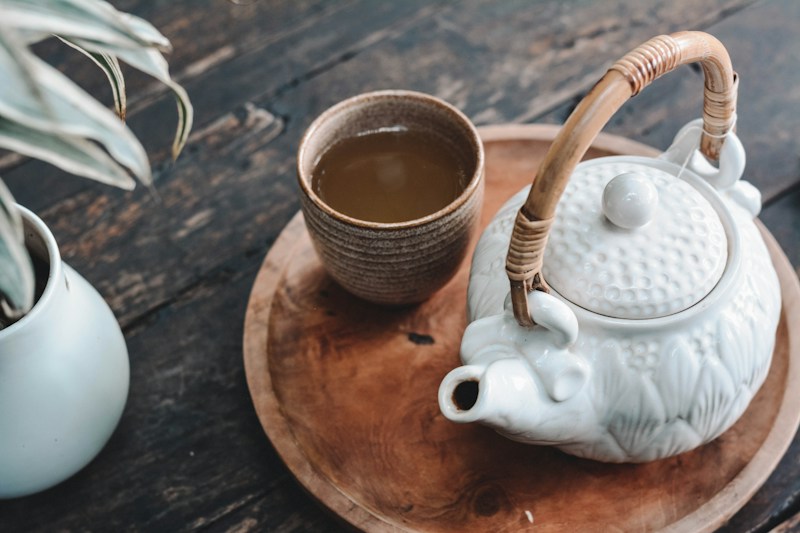
Explore Proven Remedies
Tossing and turning at night? Staring at the ceiling while your mind races? You’re definitely not alone. Millions of people around the world struggle with sleep problems, and the frustration of insomnia can affect everything from your mood to your productivity. But before you reach for prescription sleep aids, there’s a gentle, natural solution that’s been helping people rest peacefully for centuries: herbal tea. ☕
The right cup of tea before bedtime can transform your nighttime routine from a battle into a blissful ritual. These soothing beverages contain natural compounds that calm your nervous system, relax your muscles, and prepare your body for the deep, restorative sleep you deserve. Let’s explore the best teas for insomnia and how they can finally help you get the rest you’ve been dreaming of.
Anúncios
Why Sleep Matters More Than You Think 😴
Before diving into the best teas for insomnia, it’s important to understand why quality sleep is absolutely essential for your health. Sleep isn’t just about feeling rested—it’s when your body performs critical maintenance and repair work.
During sleep, your brain consolidates memories, processes emotions, and clears out toxins that accumulate during waking hours. Your immune system strengthens, your muscles repair themselves, and hormones that regulate everything from hunger to stress get rebalanced. When insomnia disrupts this process night after night, the consequences extend far beyond feeling tired.
Anúncios
Chronic sleep deprivation has been linked to increased risk of heart disease, diabetes, obesity, depression, and weakened immunity. Your cognitive function suffers too—concentration, decision-making, and creativity all decline when you’re running on empty. That’s why finding a natural, sustainable solution to insomnia is so important for your long-term wellbeing.
Chamomile Tea: The Classic Sleep Companion 🌼
When people think about tea for sleep, chamomile is usually the first that comes to mind—and for good reason. This gentle flower has been used as a natural sleep remedy for thousands of years, dating back to ancient Egypt, Rome, and Greece.
Chamomile contains an antioxidant called apigenin, which binds to specific receptors in your brain that decrease anxiety and initiate sleep. Think of apigenin as nature’s gentle sedative, working with your body’s natural systems rather than forcing you into unconsciousness like pharmaceutical sleep aids.
The Science Behind Chamomile’s Calming Effects
Multiple studies have confirmed what traditional healers knew all along: chamomile really works. Research published in the Journal of Advanced Nursing found that postnatal women who drank chamomile tea for two weeks experienced better sleep quality and fewer symptoms of depression compared to those who didn’t.
Another study focusing on elderly individuals showed that chamomile extract significantly improved sleep quality in people over 60. The beauty of chamomile is that it’s incredibly gentle—you won’t wake up feeling groggy or experiencing the “hangover” effect that some sleep medications cause.
How to Brew the Perfect Chamomile Tea
To get the maximum sleep-promoting benefits from chamomile, proper brewing matters:
- Use 1-2 teaspoons of dried chamomile flowers (or one tea bag) per cup
- Heat water to about 200°F (just below boiling)
- Steep for 5-10 minutes—longer steeping extracts more beneficial compounds
- Cover your cup while steeping to preserve the volatile oils
- Drink 30-45 minutes before bedtime for optimal effects
Valerian Root Tea: Nature’s Powerful Sleep Aid 💪
If chamomile is the gentle introduction to sleep teas, valerian root is the heavyweight champion. This powerful herb has been used since ancient Greek and Roman times, and it’s one of the most researched natural remedies for insomnia.
Valerian root works by increasing levels of gamma-aminobutyric acid (GABA) in your brain. GABA is a neurotransmitter that reduces nervous system activity, helping you feel calm and relaxed. Many prescription anti-anxiety medications work on the same GABA system, but valerian offers a natural alternative without the concerning side effects.
What Research Says About Valerian
A systematic review analyzing 16 studies found that valerian root can improve sleep quality without producing side effects. Participants reported falling asleep faster and experiencing deeper, more restful sleep. However, valerian works best when taken consistently over time—you might not notice dramatic effects after just one cup.
One important note: valerian has a distinctive earthy, somewhat pungent aroma that some people find off-putting. Many tea blends combine valerian with more pleasant-tasting herbs like peppermint or lemon balm to improve the flavor while maintaining the sleep benefits.
Lavender Tea: Aromatherapy in a Cup 💜
Most people know lavender for its beautiful purple flowers and calming scent used in aromatherapy, but lavender tea is an equally effective sleep remedy. The same aromatic compounds that make lavender essential oil so relaxing are present in the tea, working from the inside out.
Lavender contains linalool and linalyl acetate, compounds that have been shown to reduce anxiety and promote relaxation. When you sip lavender tea, you’re getting both the internal benefits of these compounds and the aromatherapy effects as you breathe in the steam—a double dose of calm!
The Perfect Bedtime Ritual
Lavender tea is particularly effective when incorporated into a consistent bedtime routine. The ritual of preparing and slowly sipping the tea signals to your brain that it’s time to wind down. This behavioral conditioning, combined with lavender’s chemical effects, creates a powerful sleep-promoting combination.
Try this relaxing routine: Brew your lavender tea, turn off screens, dim the lights, and spend 15-20 minutes reading or journaling while you sip. Your body will begin associating this pleasant ritual with sleep, making it easier to drift off naturally.
Passionflower Tea: The Anxiety-Buster 🌺
If racing thoughts and anxiety are what’s keeping you awake at night, passionflower tea might be your ideal solution. This beautiful vine produces intricate flowers and has been used in traditional medicine across the Americas for centuries to treat anxiety and sleep disorders.
Like valerian, passionflower increases GABA activity in the brain, but it also has additional calming compounds including flavonoids and alkaloids. The result is a powerful anti-anxiety effect that quiets your mind and prepares you for sleep.
Clinical Evidence for Passionflower
Research published in Phytotherapy Research found that passionflower tea was as effective as conventional sleep medication for improving sleep quality, but without the side effects. Participants reported waking up feeling more refreshed and alert, rather than groggy and disoriented.
Another study showed that drinking passionflower tea before surgery significantly reduced anxiety levels compared to a placebo. If it can calm pre-surgical jitters, imagine what it can do for your everyday bedtime worries!
Lemon Balm Tea: The Mood-Boosting Sleep Aid 🍋
Lemon balm is a member of the mint family with a delightful citrus aroma and flavor. Beyond tasting wonderful, this herb has documented calming and sleep-promoting properties that have been valued since the Middle Ages.
Lemon balm works primarily by reducing stress and anxiety—two major culprits behind insomnia. It contains compounds called terpenes that have a direct relaxing effect on the nervous system. Additionally, lemon balm appears to protect GABA in the brain from being broken down too quickly, extending its calming effects.
Combining Lemon Balm with Other Herbs
Lemon balm plays particularly well with others! It’s often combined with valerian root to create synergistic effects—research shows the combination is more effective than either herb alone. The pleasant lemon flavor also helps mask valerian’s less appealing taste, making it a win-win combination.
You can also combine lemon balm with chamomile or lavender for a gentler sleep tea that’s perfect if you’re sensitive to stronger herbs. The citrus notes add brightness and make the tea genuinely enjoyable to drink, not just medicinal.
Magnolia Bark Tea: The Ancient Eastern Secret 🌸
Used in traditional Chinese medicine for thousands of years, magnolia bark tea is less known in Western cultures but incredibly effective for sleep problems. The bark contains two powerful compounds—honokiol and magnolol—that have been extensively studied for their anxiety-reducing and sleep-promoting effects.
These compounds work on multiple neurotransmitter systems, including GABA, serotonin, and dopamine, creating a comprehensive calming effect. Research suggests that magnolia bark can help you fall asleep faster, stay asleep longer, and spend more time in the deep, restorative stages of sleep.
Safety and Effectiveness
Studies have shown that magnolia bark is generally safe and well-tolerated, with minimal side effects. Some research indicates it may be particularly helpful for people whose insomnia is related to stress, anxiety, or depression, as it addresses the root emotional causes rather than just treating the sleep symptom.
The flavor of magnolia bark tea is woody and slightly bitter, with subtle floral notes. It’s often blended with other herbs like ginger or licorice root to improve palatability while maintaining effectiveness.
Creating Your Perfect Sleep Tea Blend 🫖
While single-herb teas are effective, many people find that custom blends work even better. Different herbs target different aspects of insomnia, so combining them creates a more comprehensive solution.
Blends for Different Sleep Problems
Here are some effective combinations based on what’s keeping you awake:
- For racing thoughts and anxiety: Passionflower + lemon balm + lavender
- For difficulty falling asleep: Valerian root + chamomile + magnolia bark
- For waking during the night: Valerian root + passionflower + hops
- For stress-related insomnia: Lemon balm + chamomile + holy basil
- For gentle, mild sleep support: Chamomile + lavender + lemon balm
How to Create Your Own Blend
Experiment with creating your own sleep tea blend by following these simple guidelines:
- Start with a base herb (chamomile is perfect) for about 50% of your blend
- Add one or two stronger sleep herbs (valerian, passionflower, or magnolia bark) for about 30%
- Include aromatic herbs for flavor and additional calming effects (lavender, lemon balm, peppermint) for the remaining 20%
- Mix dried herbs in these proportions and store in an airtight container
- Use about 1 tablespoon of your blend per cup of tea
Beyond the Cup: Maximizing Your Tea’s Sleep Benefits 🌙
To get the absolute most from your sleep tea, pair it with other healthy sleep habits. Even the most powerful herbal tea can’t overcome poor sleep hygiene.
The Ideal Bedtime Routine
Create a consistent routine that tells your body it’s time to sleep:
- Timing: Start your routine at the same time every night, even on weekends
- Screen shutdown: Turn off electronics 60-90 minutes before bed—the blue light disrupts melatonin production
- Tea time: Brew and sip your sleep tea 30-45 minutes before bed
- Temperature: Keep your bedroom cool (65-68°F is ideal) and dark
- Relaxation: Practice gentle stretching, meditation, or reading while drinking your tea
- Consistency: Go to bed and wake up at the same time daily to regulate your circadian rhythm
Foods and Habits That Support Better Sleep
Your sleep tea will work even better when supported by sleep-friendly lifestyle choices:
- Avoid caffeine after 2 PM—it stays in your system longer than you think
- Limit alcohol, which disrupts sleep quality even if it helps you fall asleep initially
- Eat a light snack if you’re hungry, but avoid heavy meals within 3 hours of bedtime
- Exercise regularly, but not within 3-4 hours of sleep
- Get morning sunlight exposure to regulate your circadian rhythm
- Keep your bedroom exclusively for sleep (not work or watching TV)
Important Safety Considerations ⚠️
While herbal teas are generally safe and gentle, there are some important considerations to keep in mind:
Pregnancy and breastfeeding: Some sleep herbs aren’t recommended during pregnancy. Chamomile in moderate amounts is generally considered safe, but avoid valerian, passionflower, and magnolia bark. Always consult your healthcare provider.
Medication interactions: Sleep herbs can interact with sedatives, anti-anxiety medications, antidepressants, and other drugs. If you’re taking any medications, check with your doctor or pharmacist before using sleep teas regularly.
Allergies: If you’re allergic to ragweed, you may also react to chamomile. Start with small amounts to test your tolerance.
Daytime drowsiness: Some people are particularly sensitive to sleep herbs. Start with weaker teas and avoid driving or operating machinery if you feel drowsy.
Duration of use: While these teas are much safer than pharmaceutical sleep aids, it’s wise to take occasional breaks and address the root causes of your insomnia rather than relying on any remedy indefinitely.
When to Seek Professional Help 🩺
Herbal teas are wonderfully effective for mild to moderate sleep problems, but they’re not appropriate for every situation. Consider consulting a healthcare provider if:
- Your insomnia persists for more than a month despite trying natural remedies
- You experience excessive daytime sleepiness that interferes with daily activities
- You snore loudly or others have noticed you stop breathing during sleep (possible sleep apnea)
- You have unusual sensations in your legs that disrupt sleep (possible restless leg syndrome)
- Your insomnia is accompanied by depression, anxiety, or other mental health concerns
- You rely on alcohol or other substances to fall asleep
Sometimes insomnia is a symptom of an underlying condition that requires professional treatment. There’s no shame in seeking help—sleep is too important to your health to struggle alone.
Making Sleep Tea a Sustainable Habit 🌱
The key to long-term success with sleep teas is making them an enjoyable ritual rather than just another chore. Here’s how to create a sustainable practice:
Invest in quality: Buy loose-leaf organic herbs when possible. They’re more potent, taste better, and turn tea-making into a more mindful experience. Keep them fresh in airtight containers away from light and heat.
Create ambiance: Make your tea time special with a favorite mug, soft lighting, and a comfortable space. This transforms a simple drink into a cherished ritual that you look forward to each evening.
Track your results: Keep a simple sleep journal noting which teas you drink and how well you sleep. This helps you identify which herbs work best for your unique body chemistry.
Rotate your teas: Prevent tolerance by rotating between different sleep teas throughout the week. Monday might be chamomile night, Wednesday could be your valerian blend, and Friday your special passionflower-lavender combination.
Share the ritual: If you have a partner or family members who also struggle with sleep, make tea time a shared bonding experience. The social connection and relaxation can enhance the sleep-promoting effects.
Your Journey to Better Sleep Starts Tonight ✨
Insomnia doesn’t have to be a permanent part of your life. With the right sleep tea and healthy bedtime habits, you can reclaim your nights and wake up feeling genuinely refreshed and ready to tackle the day.
Start with gentle chamomile or lemon balm if you’re new to sleep teas, then experiment with stronger herbs like valerian or passionflower if needed. Pay attention to how your body responds and adjust accordingly. Remember that consistency matters—give each tea at least a week or two before deciding whether it’s working for you.
The beauty of herbal sleep teas is that they work with your body’s natural systems, supporting healthy sleep without the risks and side effects of pharmaceutical options. They’re gentle, time-tested, and backed by both traditional wisdom and modern science.
Tonight, instead of scrolling through your phone or worrying about tomorrow’s to-do list, brew yourself a cup of calming sleep tea. Sit quietly, breathe in the soothing aromas, and give yourself permission to relax. Your body knows how to sleep—sometimes it just needs a little herbal help to remember. Sweet dreams! 🌙☕
