
Anúncios
Energy is more than just a utility—it’s the lifeblood of modern civilization, shaping economies, communities, and individual lives in profound ways.
Understanding the True Value of Energy Awareness
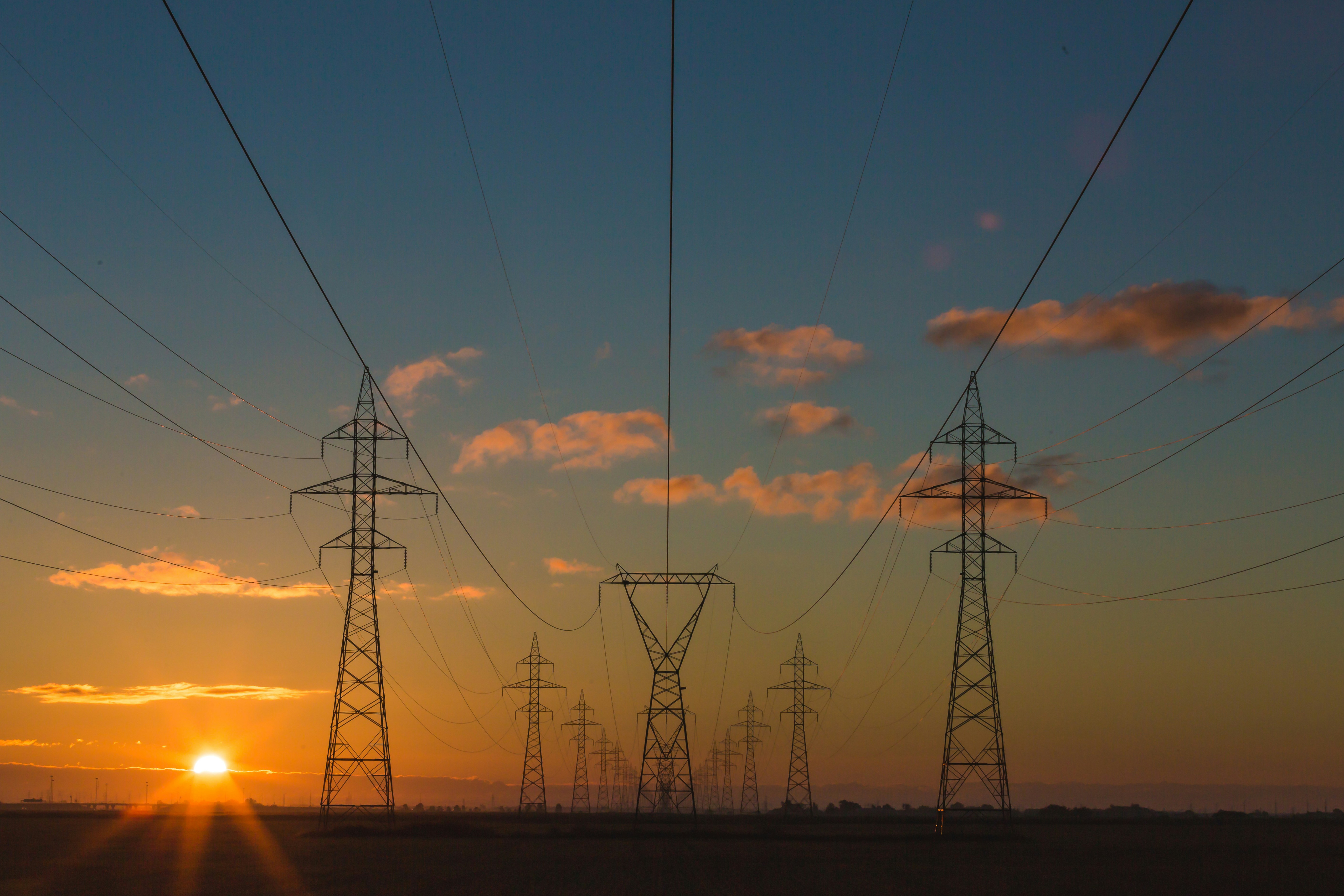
Learn More Today
Every day, billions of people wake up, flip switches, charge devices, and consume energy without a second thought. But beneath this seamless convenience lies a complex infrastructure requiring constant attention, innovation, and responsible stewardship. The message about energy isn’t just technical—it’s deeply personal and urgently relevant to everyone.
Anúncios
Whether you’re a homeowner looking to reduce bills, a business owner seeking operational efficiency, or simply a conscious citizen wanting to minimize environmental impact, understanding energy dynamics empowers better decisions. This comprehensive guide explores why energy messaging matters now more than ever and how you can actively participate in shaping a sustainable future.
⚡ Why Energy Communication Matters in Today’s World
Energy communication has evolved from simple utility notifications to sophisticated campaigns addressing climate change, technological innovation, and economic stability. The messages we receive about energy consumption, production, and conservation directly influence behavior at individual, corporate, and governmental levels.
Anúncios
Global energy systems face unprecedented challenges: transitioning from fossil fuels to renewables, managing grid reliability amid increasing demand, and ensuring equitable access across diverse populations. Effective messaging bridges the gap between complex technical realities and practical everyday actions that collectively drive meaningful change.
Research consistently shows that well-crafted energy messages significantly impact conservation behaviors. When people understand not just what to do but why it matters, compliance rates increase dramatically. This isn’t about guilting consumers—it’s about empowering informed choices through transparent, accessible information.
🌍 The Global Energy Transition Context
We’re living through history’s most significant energy transformation. Renewable energy sources like solar, wind, and hydroelectric power are rapidly displacing traditional fossil fuels, fundamentally reshaping how societies generate and consume electricity.
This transition carries profound implications for everyone. Energy messages now encompass topics ranging from rooftop solar incentives to electric vehicle charging infrastructure, smart home technologies to community microgrids. Understanding these developments helps individuals capitalize on opportunities while avoiding outdated practices.
International agreements like the Paris Accord establish ambitious targets that trickle down to national policies, regional programs, and local initiatives. Your utility company’s communications about rate structures, renewable energy programs, or energy efficiency rebates directly connect to these larger global commitments.
💡 Decoding Common Energy Messages You Encounter
Energy-related communications arrive through multiple channels: utility bills, government notices, product advertisements, news reports, and social media campaigns. Each carries specific intentions and information requiring critical interpretation.
📊 Understanding Your Utility Bill Communications
Utility bills contain far more than just payment amounts. Most include consumption comparisons showing how your usage stacks against similar households, seasonal trends indicating peak consumption periods, and rate structure explanations detailing time-of-use pricing or tiered systems.
Smart meter data enables increasingly personalized messaging. Some utilities now provide hourly consumption breakdowns, appliance-level insights, and predictive alerts warning about abnormally high usage potentially indicating equipment problems or efficiency opportunities.
Pay attention to notifications about infrastructure upgrades, planned outages, or program enrollments. These messages often include opportunities for rebates, incentives, or participation in demand response programs that reduce costs while supporting grid stability.
🔔 Government Energy Efficiency Programs
Federal, state, and local governments continuously launch initiatives promoting energy conservation and renewable adoption. Tax credits for solar installations, rebates for energy-efficient appliances, weatherization assistance programs, and electric vehicle incentives represent common offerings.
These programs typically involve application deadlines, eligibility requirements, and documentation processes. Understanding the messaging helps identify relevant opportunities and navigate bureaucratic requirements effectively. Many valuable programs go underutilized simply because eligible participants never receive or understand the communications.
🛍️ Marketing Messages About Energy Products
The marketplace overflows with energy-related products claiming extraordinary savings or environmental benefits. LED bulbs, smart thermostats, insulation materials, high-efficiency HVAC systems, and solar panels all compete for consumer attention with varying degrees of substantiated claims.
Critical evaluation skills prove essential. Look beyond headline claims to understand payback periods, actual consumption data, third-party certifications, and realistic performance expectations. Energy Star ratings, Department of Energy endorsements, and independent testing results provide valuable verification.
🏠 Practical Applications of Energy Messaging at Home
Translating energy messages into household actions creates tangible benefits: lower utility costs, improved comfort, reduced environmental footprint, and increased property value. The key lies in identifying which recommendations align with your specific circumstances.
🌡️ Heating and Cooling Optimization
HVAC systems typically account for the largest share of residential energy consumption. Messages emphasizing thermostat management, regular maintenance, proper insulation, and equipment upgrades directly address this major expense category.
Smart thermostats demonstrate energy messaging technology at its finest. These devices learn occupancy patterns, adjust temperatures automatically, provide usage reports, and send alerts about unusual consumption or maintenance needs. The continuous feedback loop reinforces conservation behaviors naturally.
Seasonal energy messages remind homeowners about furnace filter changes, AC tune-ups, window sealing, and ventilation strategies. Following these recommendations prevents inefficient operation that wastes energy while shortening equipment lifespan.
💧 Water Heating Efficiency
Water heating represents the second or third largest energy expense in most homes. Temperature setting adjustments, insulation blanket installations, low-flow fixture upgrades, and timely equipment replacement all flow from understanding messages about this often-overlooked consumption category.
Many utilities offer water heater rebate programs specifically because reductions here yield significant grid-level benefits. Tankless systems, heat pump water heaters, and solar thermal installations represent increasingly accessible alternatives promoted through targeted messaging campaigns.
⚙️ Appliance and Electronics Management
Modern homes contain dozens of energy-consuming devices. Messages about phantom loads, Energy Star ratings, proper appliance sizing, and usage timing help optimize this complex consumption landscape.
Understanding standby power drain alone can reduce household consumption by several percent. Simple actions like using power strips, unplugging chargers, and enabling sleep modes on computers respond directly to educational messaging about vampire energy loads.
🏢 Energy Messaging in Business and Industry
Commercial and industrial sectors consume substantially more energy than residential users and face different messaging focused on operational efficiency, demand management, and sustainability reporting.
📈 Corporate Sustainability Initiatives
Businesses increasingly receive energy messages tied to corporate social responsibility expectations, investor demands, and regulatory compliance. Environmental, Social, and Governance (ESG) reporting now includes detailed energy consumption disclosures and reduction commitments.
Companies responding to these messages implement comprehensive energy management systems, conduct regular audits, invest in efficiency upgrades, and increasingly procure renewable energy through power purchase agreements or on-site generation.
⚡ Demand Response and Peak Management
Commercial users receive specialized messaging about demand response programs offering financial incentives for reducing consumption during peak periods. These programs support grid reliability while creating revenue opportunities for participating businesses.
Advanced metering infrastructure enables sophisticated messaging including real-time pricing signals, curtailment requests, and performance feedback. Automated systems can respond instantaneously to these messages, optimizing consumption without manual intervention.
🌱 Environmental and Climate Messaging
Energy conversations increasingly intersect with climate change discussions. Messages connect individual consumption decisions to broader environmental impacts, from carbon footprints to ecological preservation.
🌊 Understanding Your Carbon Footprint
Carbon footprint calculators and reporting tools translate abstract energy consumption into concrete environmental terms. Understanding that your annual electricity usage equals X tons of CO2 emissions or the equivalent of Y trees provides meaningful context motivating behavioral change.
These messages become most effective when paired with actionable alternatives. Knowing your footprint matters little without understanding how specific changes—switching to renewables, improving efficiency, or modifying behaviors—quantifiably reduce impact.
♻️ Renewable Energy Transition Communications
Messages promoting renewable energy adoption emphasize cost parity, technological maturity, and environmental necessity. Solar and wind power messaging has evolved from fringe environmental advocacy to mainstream economic rationality as prices have plummeted.
Community solar programs, green power purchasing options, and renewable energy certificates represent accessible pathways for individuals without suitable rooftops or capital for installations. Understanding these options requires navigating messaging that can be confusing for average consumers.
🔮 Future Energy Messaging Trends
Energy communication continues evolving with technological advancement and changing societal priorities. Several emerging trends will shape how we receive and interact with energy information.
🤖 AI-Powered Personalization
Artificial intelligence enables hyper-personalized energy messaging based on consumption patterns, household characteristics, weather forecasts, and behavioral psychology. Future systems will proactively suggest optimal actions before inefficiencies occur.
Machine learning algorithms identify consumption anomalies instantly, sending alerts about potential equipment failures, unusual usage patterns, or efficiency opportunities tailored precisely to individual circumstances rather than generic recommendations.
🔗 Blockchain and Energy Trading
Emerging peer-to-peer energy trading platforms enable consumers to buy and sell electricity directly, facilitated by blockchain technology. This requires entirely new messaging frameworks explaining complex transactional relationships and pricing mechanisms.
Prosumers—those who both produce and consume energy—will receive communications managing both supply and demand sides simultaneously, optimizing when to consume, store, or sell energy based on real-time market conditions.
🏘️ Community-Level Messaging
Energy communications are shifting from individual to collective frameworks. Neighborhood energy challenges, community microgrid development, and district-scale efficiency projects require messaging that builds social cohesion around shared energy goals.
Gamification elements, comparative feedback showing neighborhood performance, and collective achievement celebrations leverage social dynamics to reinforce positive energy behaviors at scale.
📱 Taking Action on Energy Messages
Receiving energy messages matters little without translating information into action. Here’s how to actively engage with the energy communications you encounter.
✅ Create Your Personal Energy Action Plan
Start by auditing your current energy consumption. Review utility bills, identify major consumption categories, and prioritize improvement opportunities based on cost-effectiveness and feasibility. Match these priorities against available programs, incentives, and technologies promoted through messaging you’ve received.
Set specific, measurable goals: reduce consumption by 15% within six months, install solar panels by year-end, or achieve carbon neutrality within two years. Track progress regularly and adjust strategies based on results and new information.
🔍 Verify Information Sources
Not all energy messaging comes from credible sources. Verify claims through independent research, consult trusted organizations like the Department of Energy or Energy Star program, and seek professional energy audits before making major investments.
Be skeptical of extraordinary claims lacking substantiation. If something sounds too good to be true—miracle devices promising 50% savings with no behavior change—it probably is. Legitimate efficiency improvements involve trade-offs, investments, and realistic expectations.
🗣️ Engage in Energy Conversations
Discuss energy topics with family, neighbors, and colleagues. Share successful strategies, recommend programs, and collectively advocate for better policies and infrastructure. Grassroots energy conversations amplify messaging impacts and build community momentum around sustainable practices.
Participate in utility stakeholder meetings, comment on regulatory proceedings, and support political candidates prioritizing intelligent energy policy. Individual actions matter, but systemic changes require collective voice and advocacy.

🎯 Making Energy Messaging Work for You
The ultimate goal of energy messaging isn’t simply awareness—it’s empowerment. When you understand the dynamics shaping energy systems, recognize credible information sources, and know how to translate messages into beneficial actions, you gain control over a significant aspect of modern life.
Energy literacy reduces costs, increases comfort, minimizes environmental impact, and prepares you for the ongoing energy transition reshaping society. The messages you receive today about energy conservation, renewable adoption, and efficiency improvements represent opportunities waiting to be seized.
Start small but think comprehensively. Each switched LED bulb, each degree adjusted on your thermostat, and each informed purchasing decision contributes to larger patterns. Over time, these accumulated actions generate substantial benefits while positioning you advantageously for whatever energy future emerges.
The message about energy ultimately comes down to this: we all play roles in complex, interconnected systems where individual choices aggregate into collective outcomes. Understanding the messages we receive empowers us to play those roles more effectively, benefiting ourselves while contributing to broader sustainability and resilience goals.
Stay curious, remain skeptical of oversimplified claims, seek credible information, and take consistent action aligned with your values and circumstances. The energy transition isn’t something happening to us—it’s something we’re actively creating through millions of daily decisions informed by the messages we receive and how we choose to respond to them.
