
Anúncios
Transform your living space with creative and practical decorating ideas that reflect your personal style while maximizing comfort and functionality in every room.
Essential Design Principles for Modern Living
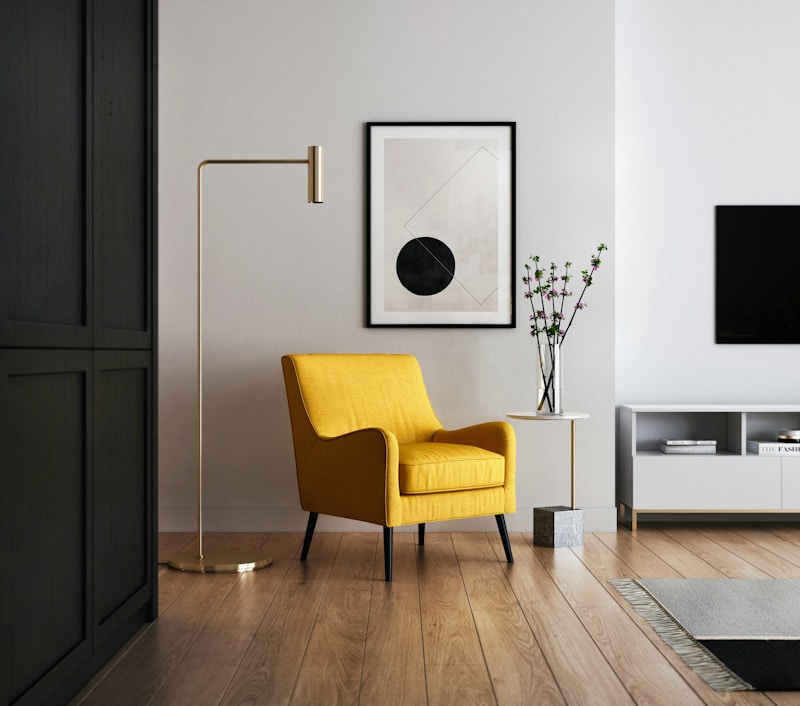
Explore Design Trends
Decorating your home is an exciting journey that combines creativity, personal expression, and practical problem-solving. Whether you’re moving into a new space or simply refreshing your current surroundings, the right decorating choices can dramatically impact your daily life and overall well-being.
Anúncios
From selecting the perfect color palette to arranging furniture for optimal flow, every decision contributes to creating a harmonious environment. The key is finding that sweet spot between aesthetics and functionality while staying true to your unique personality and lifestyle needs.
🎨 Understanding Your Personal Style Before You Start
Before purchasing a single item or painting any walls, take time to identify what truly resonates with you aesthetically. Browse through design magazines, create Pinterest boards, and visit showrooms to gather inspiration. Notice patterns in what catches your eye – whether it’s minimalist Scandinavian designs, warm rustic farmhouse vibes, or sleek contemporary aesthetics.
Anúncios
Your home should tell your story. Consider your daily habits, hobbies, and the atmosphere you want to create. Do you prefer cozy and intimate spaces or open and airy environments? Are you drawn to bold statement pieces or subtle, cohesive looks? Understanding these preferences will guide every subsequent decision and prevent costly decorating mistakes.
💡 Lighting: The Foundation of Great Design
Never underestimate the transformative power of proper lighting. Natural light should always be your first consideration – maximize it by keeping windows unobstructed or using sheer curtains that filter rather than block sunlight. Position mirrors strategically across from windows to amplify brightness throughout the room.
Layer your artificial lighting with three distinct types: ambient lighting for overall illumination, task lighting for specific activities like reading or cooking, and accent lighting to highlight architectural features or artwork. Install dimmer switches wherever possible to adjust mood and functionality throughout different times of day.
Consider the color temperature of your bulbs carefully. Warm white (2700-3000K) creates cozy, inviting atmospheres perfect for living rooms and bedrooms, while cool white (3500-4100K) works better in kitchens and bathrooms where you need clarity and energy. Statement light fixtures also serve as sculptural elements that can define your room’s character.
🖼️ Color Psychology and Paint Selection Strategies
Colors profoundly affect our emotions and perceptions of space. Blues and greens promote calmness and work wonderfully in bedrooms and bathrooms, while yellows and oranges energize spaces like kitchens and dining areas. Neutral tones provide versatility and timelessness, serving as excellent backdrops for changeable accent pieces.
Test paint samples on multiple walls before committing. Colors look dramatically different depending on natural light exposure throughout the day. Apply large swatches and observe them for at least 48 hours under various lighting conditions. Don’t forget about the ceiling – painting it a shade lighter than your walls can make rooms feel taller and more spacious.
The 60-30-10 rule provides a foolproof color distribution formula: use your dominant color for 60% of the room (usually walls), a secondary color for 30% (upholstery, curtains), and an accent color for the remaining 10% (pillows, artwork, decorative objects). This creates visual balance without overwhelming the senses.
🛋️ Furniture Arrangement for Optimal Flow and Function
Start by measuring your space accurately and creating a floor plan before moving heavy furniture. Consider traffic patterns and ensure at least 30 inches of walking space between furniture pieces. In living rooms, arrange seating to encourage conversation by positioning sofas and chairs facing each other rather than all pointing toward the television.
Avoid pushing all furniture against walls – floating pieces creates more intimate groupings and makes rooms feel larger paradoxically. Anchor seating areas with appropriately sized rugs that all furniture pieces can at least partially rest upon. This grounds the arrangement and defines distinct zones in open-concept spaces.
Scale matters tremendously. A common mistake is choosing furniture that’s too small for the space, making rooms feel disjointed and awkward. Measure doorways and hallways before purchasing to ensure delivery is possible. Multi-functional furniture like storage ottomans, extendable dining tables, and sofa beds maximize versatility in smaller homes.
🌿 Bringing Nature Indoors with Plants and Organic Elements
Houseplants improve air quality, reduce stress, and add vibrant life to any space. Choose varieties appropriate for your light conditions and maintenance commitment. Low-light champions like pothos, snake plants, and ZZ plants thrive in darker corners, while succulents and fiddle leaf figs need bright, indirect sunlight.
Group plants at varying heights to create visual interest – use plant stands, hanging planters, and shelving to display your green collection dimensionally. Large floor plants like monstera or bird of paradise make dramatic statements in empty corners, while small succulents add charm to desks and shelves.
Incorporate natural materials beyond living plants. Wooden furniture, woven baskets, stone accessories, and linen textiles create warmth and texture while connecting indoor spaces to the natural world. These organic elements provide tactile variety that prevents rooms from feeling sterile or overly designed.
🎭 Creating Focal Points and Statement Walls
Every room needs a visual anchor that immediately draws the eye upon entering. In living rooms, this might be a fireplace, large artwork, or accent wall. In bedrooms, the headboard typically serves as the focal point. Resist creating multiple competing focal points – one strong statement per room maintains visual clarity.
Accent walls add drama without overwhelming a space. Choose the wall you naturally look at when entering the room. Bold paint colors, wallpaper, wood paneling, or gallery walls all create effective accents. Ensure your chosen treatment complements rather than clashes with existing furniture and decor.
Gallery walls require careful planning. Lay out your arrangement on the floor first, measuring distances between frames. Maintain 2-3 inches between pieces for cohesion. Mix frame sizes and orientations while keeping a consistent element – matching frames, similar color palettes, or thematic artwork – to unify the display.
🧺 Smart Storage Solutions That Don’t Sacrifice Style
Clutter destroys even the most beautiful design schemes. Implement storage solutions that hide daily necessities while remaining accessible. Built-in shelving, window seats with lift-up tops, and bed frames with integrated drawers maximize space without adding furniture footprint.
Vertical storage proves especially valuable in smaller homes. Install floating shelves, use tall bookcases, and hang hooks for bags and coats. The space between furniture and ceiling often goes unused – capitalize on this with decorative storage boxes or baskets placed atop cabinets and wardrobes.
Make storage beautiful by selecting containers that complement your aesthetic. Woven baskets, vintage suitcases, decorative boxes, and apothecary jars can hold everything from toys to bathroom supplies while enhancing rather than detracting from your decor. Label containers clearly to maintain organization long-term.
🛏️ Layering Textiles for Depth and Comfort
Textiles add warmth, softness, and visual interest through pattern and texture variation. Layer different materials – linen, velvet, wool, cotton, silk – to create tactile richness. Mix patterns carefully by varying scale: pair large-scale florals with small geometric prints, united by a common color palette.
Throw pillows offer affordable seasonal updates. Use odd numbers (three or five) for pleasing asymmetry on sofas. Vary sizes from large 22-inch backs to smaller 16-inch fronts. Don’t match everything perfectly – intentional mismatching within a cohesive color story feels curated rather than catalog-staged.
Area rugs define spaces and add comfort underfoot. Ensure rugs are large enough – in dining rooms, chairs should remain on the rug even when pulled out. Living room rugs should accommodate at least the front legs of all seating pieces. Layer smaller rugs over larger neutral ones for dimension and personality in bohemian or eclectic spaces.
🖼️ Artwork and Personal Collections Display Techniques
Art transforms houses into homes by reflecting your interests and travels. Hang artwork at eye level – approximately 57-60 inches from floor to center. In spaces where you’re typically seated, adjust slightly lower. Don’t fear large pieces in small rooms; one substantial artwork often works better than multiple tiny pieces that create visual clutter.
Mix mediums for interest – combine paintings, photographs, textiles, and three-dimensional objects. Lean artwork casually on mantels and shelves for a relaxed, easily changeable display. Create vignettes by grouping similar objects in odd numbers with varying heights, like a collection of vintage cameras or ceramic vases.
Lighting artwork properly enhances impact dramatically. Picture lights, track lighting, or strategically placed uplights draw attention to your favorite pieces while adding ambient illumination. Avoid direct sunlight on valuable artwork to prevent fading – UV-filtering glass provides protection for especially precious pieces.
✨ Mirrors: Expanding Space and Multiplying Light
Mirrors are interior designers’ secret weapons for making rooms feel larger and brighter. Position them opposite windows to reflect natural light throughout the space. Large floor mirrors in narrow hallways create the illusion of width, while mirrors behind light sources amplify their illumination effect.
Consider mirrors as decorative statements beyond function. Ornate vintage frames add character to minimalist spaces, while sleek frameless mirrors complement contemporary designs. Group small mirrors in various shapes and finishes for an artistic installation that serves as both mirror and sculptural element.
Placement matters significantly. Mirrors reflecting beautiful views or attractive room features enhance your space, while those reflecting clutter or unattractive elements multiply problems. Avoid placing mirrors directly opposite main entry doors, which can feel disorienting and, in some design traditions, is considered poor energy flow.
🎯 Budget-Friendly Decorating Hacks That Look Expensive
Beautiful homes don’t require unlimited budgets. Paint remains the most affordable transformation tool – a weekend and modest investment can completely refresh any room. Update outdated furniture with new hardware, fresh paint, or reupholstery rather than replacing everything.
Shop secondhand strategically at estate sales, thrift stores, and online marketplaces. Quality vintage pieces often surpass new budget furniture in construction and character. Mix high and low – invest in timeless, visible pieces like sofas while saving on trendy accessories you’ll replace seasonally.
DIY artwork saves significantly compared to purchasing original pieces. Frame beautiful fabric remnants, create abstract paintings, enlarge and frame personal photographs, or print affordable art from online sources. Create your own throw pillows using discount fabric and inexpensive inserts for custom looks at fraction of retail prices.
🏡 Room-by-Room Specific Considerations
Each room serves distinct purposes requiring tailored approaches. Kitchens benefit from durable, cleanable surfaces and strategic task lighting over prep areas. Open shelving displays beautiful dishes but requires disciplined organization. Backsplashes offer opportunities for personality through tile patterns or bold colors.
Bedrooms should prioritize tranquility through soothing colors, blackout curtains for quality sleep, and minimal electronic distractions. Layer bedding luxuriously with quality sheets, duvets, and multiple pillows. Nightstands should accommodate bedside necessities – lamps, books, water – within easy reach.
Bathrooms need moisture-resistant materials and adequate ventilation. Install proper lighting around mirrors for grooming tasks. Incorporate spa-like elements such as plush towels, attractive storage containers, and small plants that thrive in humidity. Even rental bathrooms can be enhanced with temporary updates like peel-and-stick tile, shower curtains, and accessories.
🔄 Seasonal Decorating for Year-Round Freshness
Rotating decor seasonally keeps homes feeling current without complete overhauls. Create storage systems for seasonal items, swapping throw pillows, blankets, and small accessories as seasons change. Spring and summer call for lighter fabrics, brighter colors, and fresh flowers, while fall and winter embrace richer tones, heavier textures, and cozy layers.
Holiday decorating should enhance rather than overtake your existing style. Choose decorations in colors that complement your regular palette. Incorporate natural elements like branches, pinecones, and seasonal foliage that feel organic rather than overwhelming. Edit ruthlessly – less is more when maintaining sophisticated seasonal displays.
Transitional pieces work across seasons, providing foundational elements that remain constant. Neutral furniture, classic artwork, and versatile lighting adapt easily with minor accessory changes. This approach proves more sustainable and budget-friendly than completely redecorating multiple times annually.

🌟 Final Touches That Elevate Your Entire Space
Details distinguish professionally designed rooms from merely furnished ones. Replace builder-grade hardware on cabinets and doors with upgraded options. Add crown molding, baseboards, or picture rails for architectural interest in plain rooms. These permanent improvements increase home value while enhancing aesthetics.
Scent profoundly impacts how spaces feel. Use candles, diffusers, or fresh flowers to create inviting aromas that welcome you home. Different rooms can have signature scents – invigorating citrus in bathrooms, calming lavender in bedrooms, warm vanilla in living areas.
Keep spaces feeling fresh through regular editing. Rotate accessories, rearrange vignettes, and remove items that no longer serve you functionally or aesthetically. The most beautiful homes evolve continuously, reflecting their inhabitants’ changing lives, interests, and needs rather than remaining static museum displays.
Remember that decorating is deeply personal – trust your instincts and create spaces that genuinely make you happy. Design rules provide helpful guidelines, but your comfort and joy should always take priority. Your home should support your lifestyle beautifully, combining form and function in ways that feel authentically you. Start with small changes, observe what works, and build gradually toward your ideal environment. The journey of creating your perfect space is ongoing and endlessly rewarding! 🏠✨
