
Anúncios
Transform your living space into a stylish sanctuary with practical decorating tips that blend beauty, functionality, and your unique personality effortlessly.
Essential Home Decorating Principles
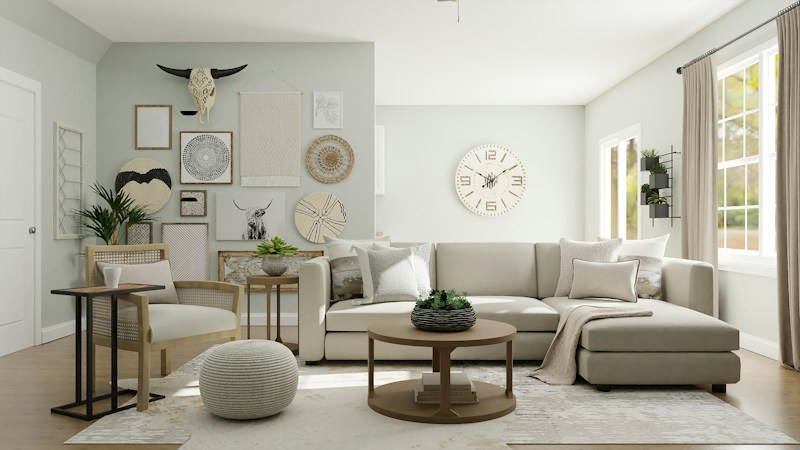
Explore Design Ideas
Decorating your home isn’t just about following trends—it’s about creating a space that reflects who you are while maintaining comfort and functionality. Whether you’re moving into a new place or refreshing your current environment, understanding the fundamentals of interior design can make the process enjoyable rather than overwhelming.
Anúncios
The key to successful home decoration lies in balancing aesthetics with practicality. Your home should tell your story through colors, textures, furniture placement, and personal touches that make every room uniquely yours. Let’s explore how to transform your space into a beautiful, welcoming haven.
🎨 Understanding Your Personal Style
Before purchasing a single decorative item, take time to identify your aesthetic preferences. Your personal style serves as the foundation for all decorating decisions and ensures cohesiveness throughout your home.
Anúncios
Browse interior design magazines, Pinterest boards, and Instagram accounts dedicated to home décor. Save images that resonate with you and look for common patterns. Do you gravitate toward minimalist spaces with clean lines, or do you prefer cozy, eclectic rooms filled with character?
Consider creating a mood board—either physical or digital—that captures your vision. Include color palettes, furniture styles, fabric textures, and inspirational rooms. This visual reference becomes invaluable when making purchasing decisions and helps maintain design consistency across different spaces.
Don’t feel pressured to commit to a single style label. Many beautiful homes blend elements from various design movements. The goal is identifying what makes you feel comfortable and happy in your space.
🏠 Starting with the Basics: Color Selection
Color profoundly impacts mood and perception of space. Choosing the right palette creates harmony and sets the emotional tone for each room in your home.
Begin with neutral base colors for larger surfaces like walls and major furniture pieces. Neutrals provide flexibility and longevity, allowing you to update your space with accent colors without major renovations. Shades of white, beige, gray, and taupe create versatile backdrops for bolder design choices.
Introduce color through accessories, textiles, and artwork. Throw pillows, curtains, rugs, and decorative objects offer affordable ways to experiment with trends without long-term commitment. These elements can be easily swapped as your preferences evolve or seasons change.
The 60-30-10 rule provides a foolproof formula for color distribution. Use your dominant color for 60% of the room (usually walls), a secondary color for 30% (upholstery, curtains), and an accent color for the remaining 10% (decorative accessories). This creates visual balance and prevents overwhelming spaces.
🛋️ Furniture Arrangement for Flow and Function
Strategic furniture placement transforms how you experience and use your space. Poor arrangement creates awkward traffic patterns and wasted square footage, while thoughtful positioning enhances both aesthetics and practicality.
Start by identifying the focal point of each room—this might be a fireplace, large window with a view, entertainment center, or architectural feature. Arrange seating to complement this focal point while facilitating conversation and movement.
Maintain clear pathways between furniture pieces. Ideally, walkways should be at least 30 inches wide to allow comfortable passage. In living rooms, position sofas and chairs to create intimate conversation areas without blocking natural traffic flow.
Consider scale and proportion carefully. Oversized furniture overwhelms small rooms, while petite pieces get lost in spacious areas. Measure your rooms and create floor plans before purchasing furniture to ensure appropriate sizing.
Don’t push all furniture against walls. Floating pieces away from perimeters often creates more intimate, purposeful arrangements. In larger rooms, this technique defines distinct zones for different activities.
💡 Lighting: The Often Overlooked Game-Changer
Lighting dramatically affects ambiance, functionality, and how colors appear in your space. A well-lit room feels welcoming and versatile, adapting to various activities and times of day.
Layer three types of lighting for optimal results. Ambient lighting provides overall illumination through ceiling fixtures, recessed lights, or chandeliers. Task lighting serves specific functions like reading, cooking, or working—think desk lamps, under-cabinet lights, or pendant fixtures over kitchen islands. Accent lighting highlights architectural features, artwork, or creates mood through wall sconces, picture lights, or decorative table lamps.
Install dimmer switches wherever possible. This simple upgrade allows you to adjust brightness according to activities and desired atmosphere. Bright light energizes during daytime tasks, while softer illumination creates relaxation in evenings.
Don’t underestimate natural light’s value. Keep windows unobstructed when possible, use sheer curtains to maintain privacy while allowing sunlight, and position mirrors strategically to reflect and amplify natural illumination throughout rooms.
🖼️ Wall Décor that Makes Statements
Bare walls feel cold and unfinished, while thoughtfully decorated walls add personality, visual interest, and polish to any space. The key is selecting and arranging décor that enhances rather than clutters.
Artwork doesn’t require enormous budgets. Frame personal photographs, children’s artwork, vintage maps, fabric samples, or pressed botanicals. Gallery walls create impressive focal points by clustering various frames, sizes, and subjects with cohesive elements like matching frames or complementary color schemes.
When hanging art, position pieces at eye level—generally 57 to 60 inches from the floor to the artwork’s center. For walls above furniture, leave 6 to 12 inches between the furniture top and frame bottom to create visual connection without crowding.
Consider alternative wall treatments beyond traditional art. Floating shelves display collections and decorative objects, removable wallpaper adds pattern without permanence, large mirrors expand perceived space, and statement clocks serve both functional and aesthetic purposes.
🌿 Bringing Nature Indoors
Plants and natural elements infuse life, color, and freshness into interior spaces. They improve air quality, reduce stress, and create visual connections to the outdoors.
Select plants appropriate for your lighting conditions and maintenance preferences. Low-light tolerant varieties like pothos, snake plants, and ZZ plants thrive in dimmer spaces, while succulents and fiddle leaf figs require brighter conditions. Choose realistic artificial plants if natural light is limited or you travel frequently.
Vary plant heights and pot styles for visual interest. Floor plants like monstera or bird of paradise make dramatic statements in corners, medium-sized plants suit shelves and side tables, and trailing varieties like string of pearls add dimension to elevated surfaces.
Incorporate other natural materials through wood furniture, woven baskets, stone accessories, and organic textiles. These elements create warmth and texture that synthetic materials cannot replicate.
🧺 Smart Storage Solutions
Clutter undermines even the most beautiful design schemes. Effective storage maintains visual calm while keeping necessary items accessible and organized.
Embrace multifunctional furniture that conceals storage. Ottoman with hidden compartments, beds with built-in drawers, coffee tables with lower shelves, and benches with lift-up seats maximize utility without sacrificing style.
Use vertical space efficiently through wall-mounted shelving, tall bookcases, and overhead storage in closets and garages. This approach preserves valuable floor space while increasing storage capacity significantly.
Decorative baskets, bins, and boxes organize smaller items while adding texture and visual interest. Choose storage containers that complement your design aesthetic—woven natural fibers for bohemian spaces, sleek acrylic for modern interiors, vintage suitcases for eclectic rooms.
🛏️ Bedroom Sanctuary Creation
Your bedroom should function as a peaceful retreat that promotes rest and rejuvenation. Prioritize comfort, calming colors, and minimal distractions in this personal space.
Invest in quality bedding that feels luxurious against your skin. Layer textures through fitted sheets, flat sheets, duvets or coverlets, and decorative pillows. Choose breathable natural fibers like cotton, linen, or bamboo for optimal comfort.
Keep electronics minimal or absent entirely. The blue light from screens disrupts sleep patterns, while the constant connectivity prevents mental relaxation. If you use your phone as an alarm, place it across the room to avoid bedtime scrolling.
Create symmetry with matching nightstands and lamps flanking the bed. This balanced arrangement feels psychologically calming and ensures both partners have equal functional space for personal items.
Select window treatments that provide complete darkness when desired. Quality sleep requires minimal light exposure, so invest in blackout curtains or cellular shades that block external illumination effectively.
🍽️ Dining Spaces that Encourage Gathering
Whether you have a formal dining room or casual eating area, this space should feel inviting and comfortable for shared meals and conversation.
Size your dining table appropriately for the room and your typical needs. Allow at least 36 inches between the table edge and walls or furniture for comfortable chair movement. Each diner requires approximately 24 inches of table width.
Overhead lighting centered above the dining table creates ambiance and task lighting for meals. Chandeliers or pendant lights should hang 30 to 36 inches above the table surface to provide illumination without obstructing sight lines across the table.
A centerpiece anchors the table visually without interfering with conversation. Low arrangements of flowers, candles, or seasonal décor work beautifully. Avoid tall centerpieces that block views or require constant repositioning during meals.
🎯 Personal Touches that Tell Your Story
Generic showroom aesthetics lack the warmth and character that make a house feel like home. Infuse your space with meaningful objects that reflect your experiences, interests, and loved ones.
Display collections intentionally rather than scattering items randomly. Group similar objects—vintage cameras, seashells from travels, inherited china—to create curated vignettes that draw the eye and spark conversation.
Rotate displayed items seasonally to keep your décor feeling fresh without purchasing new pieces. Store accessories not currently displayed to prevent visual clutter while maintaining variety throughout the year.
Family photographs deserve thoughtful presentation. Create dedicated gallery walls, display a selection in matching frames on shelves, or commission larger canvas prints of favorite images as statement art pieces.
🧼 Maintaining Design Integrity Over Time
Beautiful spaces require ongoing maintenance to preserve their appeal. Establish routines that keep your home looking intentional and cared for.
Declutter regularly by removing items that no longer serve functional or aesthetic purposes. The “one in, one out” rule prevents accumulation—when acquiring something new, remove a similar existing item.
Address wear and damage promptly. Repair loose handles, touch up paint scratches, clean upholstery stains, and tighten wobbly furniture before minor issues become major problems requiring expensive replacements.
Refresh textiles periodically through professional cleaning or replacement. Curtains, upholstery, and rugs accumulate dust and lose vibrancy over time. Regular maintenance extends their lifespan while keeping spaces looking crisp and intentional.
💰 Budget-Friendly Decorating Strategies
Creating beautiful spaces doesn’t require unlimited funds. Strategic choices and creative approaches achieve impressive results within modest budgets.
Prioritize investment pieces that receive heavy use or significantly impact the room—quality sofas, mattresses, and dining tables justify higher price points. Supplement with affordable accessories easily updated as trends and preferences change.
Shop secondhand for unique pieces with character. Thrift stores, estate sales, online marketplaces, and consignment shops offer furniture and décor at fraction of retail prices. Quality older pieces often surpass mass-produced modern alternatives in construction and materials.
DIY projects personalize your space while reducing costs. Paint furniture for updated looks, create your own artwork, sew simple pillow covers, or refinish outdated fixtures. Countless online tutorials guide beginners through projects of varying complexity.
Paint delivers maximum impact for minimal investment. Fresh wall color completely transforms rooms without requiring furniture replacement or major renovations. Even painting just one accent wall creates dramatic change affordably.

🌟 Final Thoughts on Creating Your Perfect Home
Decorating your home is an ongoing journey rather than a destination. Your space should evolve alongside your life, reflecting changing needs, growing families, and developing tastes.
Resist pressure to complete everything immediately. Thoughtful decorating takes time, allowing you to discover what truly works for your lifestyle rather than rushing into expensive mistakes. Living in your space reveals how you actually use rooms, informing better design decisions.
Trust your instincts over rigid design rules. While guidelines provide helpful frameworks, your personal comfort and happiness matter most. If you love something that technically “breaks the rules,” incorporate it anyway—your home should delight you every single day.
Remember that perfection isn’t the goal. The most beautiful homes show evidence of life—books being read, hobbies being pursued, meals being shared. Your space should support how you actually live rather than existing as an untouchable showcase.
Start with small changes that make immediate impact—rearrange furniture, add fresh flowers, update throw pillows, or rehang artwork. These simple adjustments often provide the motivation and confidence to tackle larger projects over time. Your dream home awaits, one thoughtful decision at a time. 🏡
