
Anúncios
Decorating your home is more than just arranging furniture—it’s about creating a space that reflects your personality, lifestyle, and comfort. Understanding different decoration styles helps you craft environments that truly feel like home.
Discover Your Perfect Decoration Style
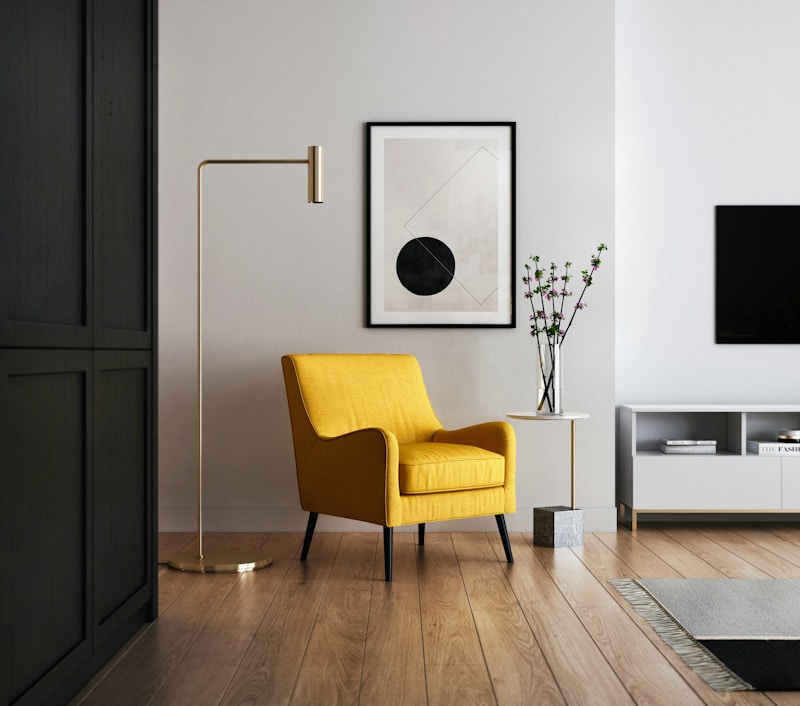
Explore Design Trends
Every decoration style tells a story and creates a unique atmosphere. Whether you prefer clean minimalism, cozy rustic charm, or bold contemporary designs, choosing the right aesthetic transforms your living space into a sanctuary that energizes and inspires you daily.
Anúncios
This comprehensive guide explores the most popular decoration styles, their defining characteristics, and practical tips for implementing them in your home. From timeless classics to modern innovations, you’ll discover which aesthetic resonates with your vision and how to bring it to life authentically.
🎨 Modern Minimalist Style: Less Is Truly More
The modern minimalist style embraces simplicity, functionality, and intentional design choices. This aesthetic eliminates clutter and focuses on essential elements, creating spaces that feel open, calm, and purposeful. Clean lines, neutral color palettes, and strategic use of space define this increasingly popular approach.
Anúncios
Minimalist interiors typically feature a monochromatic or limited color scheme—whites, grays, blacks, and occasional earth tones. Furniture pieces serve clear purposes without unnecessary ornamentation. Natural light plays a crucial role, often maximized through large windows and strategic mirror placement.
Storage solutions become invisible in minimalist design. Built-in cabinets, hidden compartments, and multi-functional furniture keep surfaces clear while maintaining practicality. This approach requires discipline—every item must earn its place in the space.
Materials in minimalist spaces tend toward natural finishes: polished concrete, light woods, glass, and metals. Textures add visual interest without creating visual noise. A single statement piece—perhaps a sculptural lamp or striking artwork—can anchor an entire room without overwhelming it.
Key Elements of Minimalist Decoration 🔑
- Neutral color foundations: Whites, grays, and beiges create calming backdrops
- Functional furniture: Each piece serves a clear purpose with clean silhouettes
- Negative space: Empty areas become design elements themselves
- Quality over quantity: Fewer, better-crafted items replace mass accumulation
- Hidden storage: Clutter stays concealed behind sleek surfaces
- Natural light emphasis: Windows remain unobstructed or simply dressed
🌿 Scandinavian Style: Warmth Meets Simplicity
Scandinavian decoration blends minimalist principles with cozy warmth, creating spaces that feel both clean and inviting. Originating from Nordic countries, this style addresses the need for bright, comfortable interiors during long, dark winters while maintaining aesthetic restraint.
The Scandinavian palette incorporates soft whites and light grays as foundations, accented with pastels and natural wood tones. Unlike stark minimalism, this style welcomes texture through knitted throws, sheepskin rugs, and woven baskets that add tactile warmth without visual clutter.
Functionality remains paramount in Scandinavian design. Furniture features simple, organic forms with tapered legs and rounded edges. Classic pieces from mid-century designers often appear alongside contemporary iterations, creating timeless rather than trendy spaces.
Hygge—the Danish concept of coziness and contentment—influences Scandinavian interiors significantly. Candles, soft lighting, comfortable seating arrangements, and natural elements create environments that encourage relaxation and connection. Plants bring life and color without overwhelming the space.
🏛️ Industrial Style: Raw Beauty and Urban Edge
Industrial decoration celebrates the aesthetic of warehouses, factories, and urban lofts. Exposed brick walls, visible ductwork, concrete floors, and metal fixtures transform utilitarian elements into design features. This style embraces authenticity and the beauty of unfinished materials.
The industrial color palette gravitates toward neutrals with depth—charcoal grays, deep browns, blacks, and warm metallics. These darker tones create dramatic contrast when paired with lighter walls or natural light from large factory-style windows.
Furniture in industrial spaces often combines metal frames with reclaimed wood. Pieces appear sturdy and straightforward, sometimes showing wear that adds character. Vintage finds from actual industrial settings—factory carts, metal lockers, workbenches—become functional furniture with authentic stories.
Lighting fixtures play a starring role in industrial design. Edison bulbs, cage pendants, and articulated lamps reference workshop and factory lighting while providing contemporary functionality. Exposed filament bulbs add warmth to otherwise cool material palettes.
Creating Authentic Industrial Spaces ⚙️
- Expose structural elements: Brick, concrete, beams, and pipes become features
- Mix materials boldly: Combine metal, wood, leather, and concrete
- Choose substantial furniture: Pieces should feel solid and purpose-built
- Embrace imperfection: Weathered finishes and patina add character
- Install statement lighting: Industrial-style fixtures anchor the aesthetic
- Keep accessories minimal: Art and decor items should feel intentional
🌸 Bohemian Style: Eclectic Freedom and Creative Expression
Bohemian or “boho” decoration celebrates individuality, creativity, and global influences. This free-spirited style layers patterns, textures, and colors from various cultures and eras, creating spaces that feel collected, personal, and artistically vibrant.
Unlike more restrained styles, bohemian interiors embrace abundance. Textiles play a central role—Moroccan rugs, Indian block-print fabrics, macramé wall hangings, and embroidered pillows create layers of visual and tactile interest. Mixing patterns becomes an art form rather than a design violation.
The bohemian color palette spans the spectrum. Jewel tones like emerald, sapphire, and ruby appear alongside earthy terracottas, warm ochres, and deep teals. Metallics—especially brass and copper—add shimmer and warmth. The key lies in balancing intensity with enough neutral space to prevent visual chaos.
Plants thrive in bohemian spaces, often in abundance. Trailing pothos, fiddle-leaf figs, and hanging ferns create indoor jungles that reinforce the connection to nature. Vintage furniture, global artifacts, handmade crafts, and flea market finds contribute to the collected-over-time aesthetic.
🏠 Farmhouse Style: Rustic Charm and Homey Comfort
Farmhouse decoration evokes the warmth, simplicity, and practicality of rural agricultural homes. This style emphasizes natural materials, vintage elements, and comfortable functionality that creates welcoming spaces perfect for gathering and everyday living.
Shiplap walls, exposed wood beams, and wide-plank floors establish farmhouse foundations. The color palette centers on whites and creams, accented with soft grays, gentle blues, and natural wood tones. These light colors maximize brightness in spaces that historically relied on limited artificial lighting.
Furniture in farmhouse interiors appears sturdy and unpretentious. Large farm tables, Windsor chairs, hutches, and benches reference practical country living. Distressed finishes and weathered wood add authentic character, whether genuinely aged or artfully created.
Farmhouse style celebrates handmade and vintage items. Mason jars become vases, galvanized metal buckets hold flowers, and antique signs add nostalgic charm. Open shelving displays everyday dishes, mixing function with decoration in characteristically practical fashion.
Essential Farmhouse Elements 🚜
- Shiplap or beadboard walls: Textured surfaces add rustic dimension
- Apron-front sinks: Classic farmhouse feature in kitchens
- Sliding barn doors: Functional space-savers with rural character
- Vintage accessories: Enamelware, crocks, and antique tools as decor
- Natural textiles: Linen, cotton, and burlap in neutral tones
- Fresh or dried flowers: Simple arrangements in rustic containers
✨ Contemporary Style: Current and Ever-Evolving
Contemporary decoration represents current design trends, constantly evolving to reflect present-day aesthetics. Unlike modern style—which references a specific mid-20th-century movement—contemporary design embraces what’s happening now, making it inherently fluid and adaptive.
Contemporary spaces feature clean lines and minimal ornamentation, but with more warmth than strict minimalism. The color palette often starts with neutrals but isn’t afraid of bold accent colors or dramatic contrasts. Black window frames, statement light fixtures, and mixed metals appear frequently in contemporary interiors.
Furniture in contemporary design balances comfort with visual interest. Organic curves soften geometric forms. Materials mix freely—velvet upholstery with metal legs, marble tops on wood bases, glass panels alongside solid surfaces. The overall effect feels curated but not rigid.
Contemporary style embraces technology integration and sustainable materials. Smart home features appear seamlessly incorporated rather than conspicuously added. Eco-friendly materials and energy-efficient solutions align with current environmental consciousness without sacrificing aesthetic appeal.
🎭 Art Deco Style: Glamour and Geometric Sophistication
Art Deco decoration celebrates luxury, glamour, and geometric precision. Originating in the 1920s and 1930s, this style remains timelessly elegant with its bold patterns, rich materials, and sophisticated symmetry that exudes confidence and opulence.
The Art Deco palette combines deep, saturated colors—emerald green, sapphire blue, ruby red—with metallics like gold, brass, and chrome. Black and white create dramatic contrast, often in geometric patterns. These rich colors appear in luxurious materials: velvet, silk, lacquer, and polished stone.
Geometric patterns define Art Deco design. Chevrons, sunbursts, zigzags, and stepped forms appear in everything from wallpaper to furniture details. Mirrored surfaces multiply light and create glamorous reflections. Angular furniture with streamlined silhouettes balances ornamental patterns.
Lighting fixtures become jewelry for rooms in Art Deco interiors. Chandeliers with geometric crystal arrangements, sconces with stepped metal details, and table lamps with sculptural bases add both illumination and artistic drama.
🌊 Coastal Style: Breezy and Beach-Inspired
Coastal decoration captures the relaxed, refreshing atmosphere of seaside living. Light, airy spaces featuring nautical elements and ocean-inspired colors create vacation-like environments that feel perpetually summery and stress-free, regardless of actual location.
The coastal color palette draws directly from beach environments: soft blues and aquas representing water, sandy beiges and warm whites suggesting beaches, with crisp white as the primary foundation. These colors appear in sun-faded versions that feel weathered by salt air and sunshine.
Natural materials dominate coastal interiors. Light woods like whitewashed pine or weathered oak, woven seagrass, jute rugs, and linen fabrics create textural interest while maintaining the light, casual feeling. Furniture features relaxed silhouettes—slipcovered sofas, Adirondack chairs, and simple wooden tables.
Decorative elements reference the ocean without becoming themed. Driftwood pieces, glass floats, seashells displayed in glass vessels, and maritime artwork celebrate coastal life tastefully. Stripes—especially in navy and white—add nautical touches without overwhelming spaces.
🏰 Traditional Style: Timeless Elegance and Classic Comfort
Traditional decoration draws from European design history, emphasizing symmetry, refined details, and classic furnishings that create formal yet comfortable spaces. This style values quality craftsmanship, coordinated rooms, and timeless appeal over trendy experimentation.
Rich, warm color palettes characterize traditional interiors. Burgundies, forest greens, navy blues, and golden yellows appear alongside wood tones and neutral backgrounds. These colors often appear in coordinated combinations rather than high-contrast schemes.
Furniture in traditional spaces features curved lines, ornate details, and substantial construction. Rolled arms, turned legs, carved details, and button tufting appear frequently. Wood furniture displays rich stains in mahogany, cherry, or walnut. Arrangements follow symmetrical patterns—matching end tables, paired lamps, and centered focal points.
Layered window treatments, area rugs over wall-to-wall carpet, and multiple throw pillows create the comfortable, finished feeling traditional style embodies. Crown molding, wainscoting, and architectural details add refinement and visual interest to walls and ceilings.
🌱 Mid-Century Modern: Retro Sophistication Returns
Mid-century modern design references the aesthetic movement from roughly 1945 to 1969, now experiencing renewed popularity. This style celebrates organic forms, functional beauty, and the integration of indoor and outdoor spaces through design that feels simultaneously retro and contemporary.
Clean lines with gentle curves define mid-century furniture. Tapered legs, molded plywood, and sculptural forms create pieces that function as art objects. Iconic designs from this era—Eames chairs, tulip tables, arc floor lamps—remain highly desirable and widely reproduced.
The mid-century color palette includes warm woods paired with bold accent colors. Oranges, teals, mustard yellows, and avocado greens appear against neutral backgrounds. These colors feel vibrant without overwhelming, often used sparingly in accessories or single statement pieces.
Materials showcase the era’s enthusiasm for new manufacturing techniques: molded plastics, bent plywood, vinyl upholstery, and fiberglass appear alongside traditional woods and metals. Large windows connect interiors with nature, while indoor plants emphasize this organic connection.
🎨 Mixing Decoration Styles Successfully
Few homes follow a single decoration style exclusively. Successfully mixing styles creates unique, personalized spaces that reflect complex tastes and collected lives. The key lies in finding common threads—whether color, material, or era—that create cohesion despite diversity.
Start with a dominant style—perhaps 60-70% of your design decisions—then layer elements from complementary aesthetics. For example, a primarily Scandinavian space might incorporate bohemian textiles for warmth or industrial lighting for edge without losing its core identity.
Repeating elements throughout mixed spaces creates unity. A consistent wood tone, repeated metal finish, or carried color scheme helps disparate pieces feel intentionally collected rather than randomly assembled. Limiting your total number of styles—typically to two or three—prevents spaces from feeling chaotic.
Trust your instincts and live with choices before fully committing. Decoration evolves with you, and spaces that feel authentic to your lifestyle and preferences always succeed regardless of strict style adherence. The best-decorated homes tell personal stories rather than follow rulebooks.
🛠️ Practical Tips for Implementing Your Chosen Style
Begin with inspiration but not imitation. Collect images of spaces you love, identifying common elements that appeal to you. These patterns reveal your authentic preferences beyond superficial trends, helping you make choices you’ll appreciate long-term.
Start with larger, more permanent elements—paint colors, flooring, major furniture pieces—in your chosen style. These foundational decisions create the framework for everything else. Accessories, textiles, and smaller furniture can then layer in additional personality and style nuances.
Shop secondhand and vintage stores for unique pieces that add character impossible to achieve with all-new purchases. Even contemporary spaces benefit from the depth and story vintage items provide. Mixing old and new prevents spaces from feeling sterile or showroom-like.
Prioritize quality over quantity, especially for frequently used items. One well-made sofa in your chosen style serves better than multiple cheaper pieces that quickly disappoint. Build your decorated space gradually, allowing time to find perfect pieces rather than rushing to completion.
💡 Understanding Your Personal Decoration Preferences
Your lifestyle should guide style choices as much as aesthetics. Families with young children might prioritize durable, cleanable materials even within elegant styles. Pet owners need to consider fabrics and finishes that withstand active animals without constant maintenance.
Consider how you actually use spaces. Formal traditional dining rooms suit those who frequently entertain, while casual bohemian gatherings spaces work better for relaxed socializing. Your decoration should enhance rather than dictate how you live.
Climate and natural light affect style success. Bright, airy coastal styles work wonderfully in sunny locations but might feel cold in darker northern homes where warmer farmhouse or traditional approaches create cozier atmospheres.
Budget realities influence decoration choices significantly. Some styles—like industrial or minimalist—can achieve impact with fewer pieces, potentially requiring less initial investment. Others—like traditional or Art Deco—depend on specific materials and details that command higher prices.
🌟 Creating Cohesion Throughout Your Home
Entire homes needn’t follow identical decoration styles, but visual flow between spaces prevents jarring transitions. Carrying one or two elements—perhaps flooring material or trim color—throughout creates subtle connections even when room styles vary significantly.
Open floor plans require particular attention to style cohesion. When living, dining, and kitchen areas share visual space, they should relate harmoniously even if not identically decorated. Repeated colors, coordinated finishes, or similar furniture styles maintain unity across the open area.
Hallways and transitions spaces benefit from neutral approaches that bridge different room styles. These areas can showcase art or architectural details without competing with adjacent room aesthetics, serving as visual palate cleansers between distinct spaces.
Your home’s architectural style provides guidance for interior decoration. Victorian homes naturally accommodate traditional or eclectic bohemian styles, while mid-century ranch houses suit their namesake aesthetic or contemporary updates. Working with rather than against architecture creates harmony.

🎯 Final Thoughts on Choosing Your Perfect Style
The best decoration style is the one that makes you feel most comfortable, inspired, and authentically yourself in your space. Design rules provide helpful guidance, but your home should ultimately reflect your personality, accommodate your lifestyle, and bring you daily joy.
Don’t fear making mistakes or changing your mind. Decoration evolves as you discover preferences through experience. Paint colors change, furniture gets replaced, and styles shift over time—this evolution keeps homes feeling fresh and personally relevant rather than static.
Remember that professionally styled magazine photos represent idealized moments, not lived-in reality. Your decorated spaces should function beautifully for your actual life, not just photograph perfectly. Comfort, practicality, and personal meaning always trump strict aesthetic adherence.
Take time exploring different decoration styles before committing to major investments. Visit showrooms, tour homes, browse design resources, and experiment with smaller changes first. Understanding what truly resonates with you—rather than what’s currently trending—leads to spaces you’ll love for years.
